New to sushi omakase? Skip the expensive counters — for now
When sushi clicks for you, the instinct is to chase the famous names — the three-star counters, the months-long waitlists, the ¥40,000 omakase everyone writes about. Resist it, at least for a while. If you’re just starting out, the most expensive sushi in Tokyo is the worst value you can buy.
Your palate isn’t ready yet — and that’s fine
Great sushi and transcendent sushi really are different. But the gap lives in subtleties: the temperature and seasoning of the rice, a tuna aged two weeks versus three days, the exact cure on a piece of kohada. Those differences are real — and nearly invisible until you’ve eaten a lot of sushi. Pay ¥40,000 as a novice and you’ll enjoy it, but you won’t taste most of what you paid for. The same meal in two years will land completely differently.
What the top counters actually charge for
At the very top, you’re paying for scarcity (a handful of seats, fish nobody else got), obsessive sourcing and aging, the chef’s decades of craft, and an atmosphere of quiet ceremony. All of it is worth it — to a palate and a context that can register it. For a beginner it’s mostly diminishing returns, plus the pressure of an intimidating room you don’t yet know how to read. (Learning the etiquette is far easier where the stakes are low — see counter etiquette.)
Start wide, not high
The fastest way to learn sushi isn’t one blowout meal; it’s many ordinary ones. For the price of a single top-tier dinner you could eat at half a dozen good, affordable counters and learn far more. Where to spend instead:
- Machi-zushi — the neighborhood shops. Generous, lively, ¥4,000–10,000, and at their best genuinely excellent. The ideal classroom. (More in machi-zushi.)
- Standing sushi — tachigui. Top-quality fish, eaten fast and cheap, with none of the ceremony. (See tachigui sushi.)
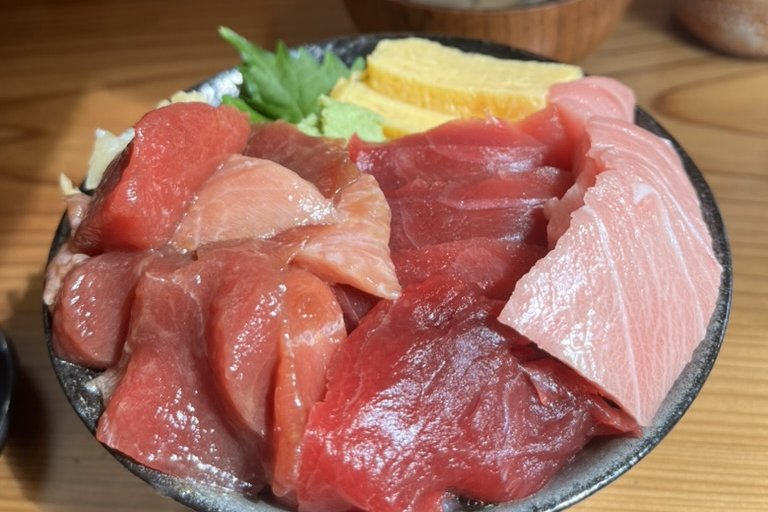
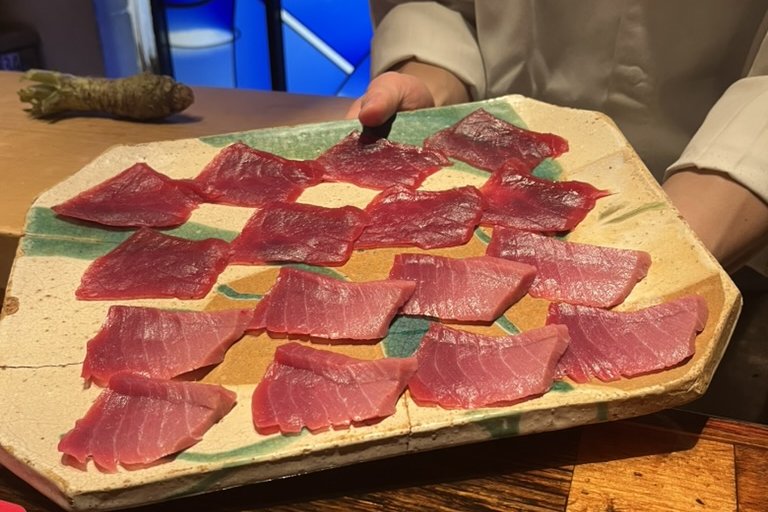
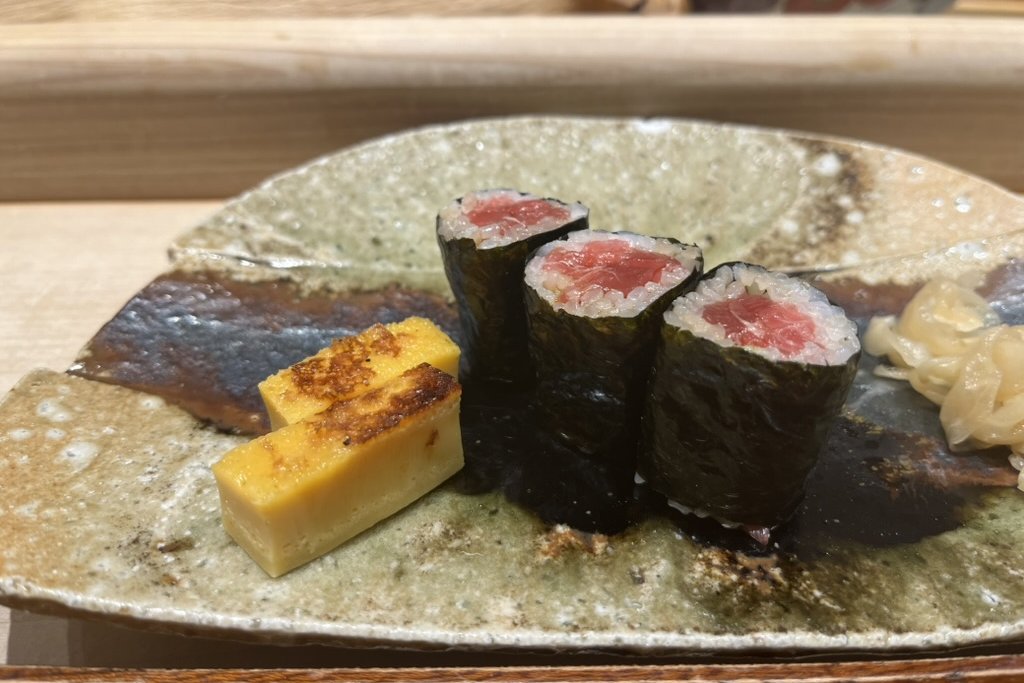
- Tuna specialists — shops like Seagen in Tsukiji or Maguro Mart in Nakano serve world-class tuna for a fraction of a counter’s price: a crash course in a single ingredient. (More in the tuna guide.)
- A good lunch set — many serious counters run a shorter midday omakase at a third of the dinner price, a low-risk way to taste real Edomae.
- Even kaiten — conveyor-belt sushi is no one’s idea of fine dining, but it’s a cheap, no-pressure way to find out what you actually like.
Learn the language first
While you eat your way around, you’re really building vocabulary: which neta you love, how a meal is sequenced, what good rice feels like, how to behave at a counter. (For the shape of a course, see the anatomy of a sushi omakase; for the silver-skinned fish that separate good chefs from great ones, hikarimono.) None of that requires a famous name — and all of it makes the eventual splurge pay off.
Then graduate
There comes a point when you start to notice things: that the rice at one shop is warmer and more alive than another’s, that one chef’s kohada has a cleaner bite, that the toro tonight is something special. That’s the signal. Book the expensive counter then — you’ll taste what you’re paying for, and the meal will actually mean something. Spend the money when you can spend it well.
The best sushi education isn’t expensive. It’s wide, frequent, and patient — and it saves the grand meal for when you’re ready to be amazed.