Tachigui: Save the budget by eating without seating
One of the best deals in Tokyo sushi comes with a catch: there’s nowhere to sit. Tachigui (立ち食い, “eat standing”) counters serve seriously good sushi at a fraction of the seated price — often 30% less or more — for the simple reason that you eat on your feet.
What tachigui is
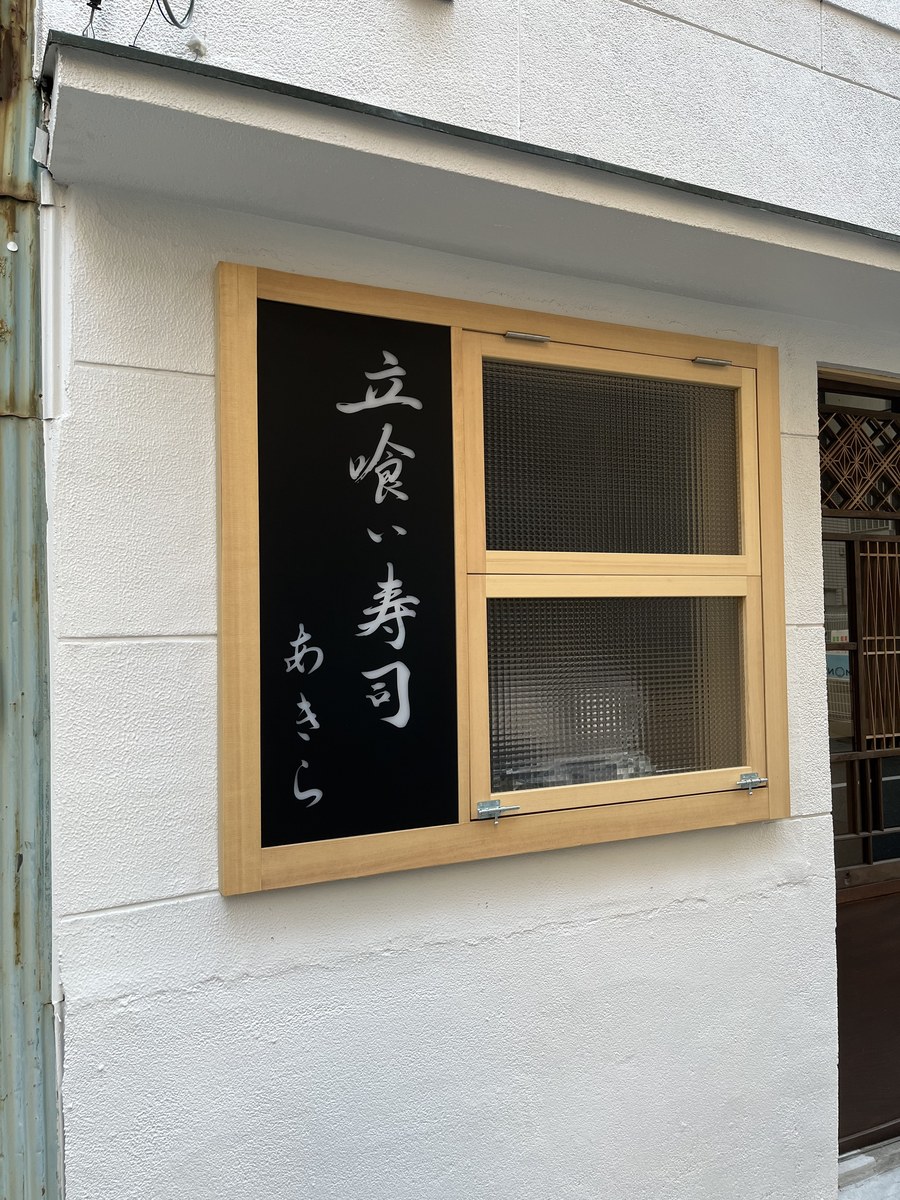
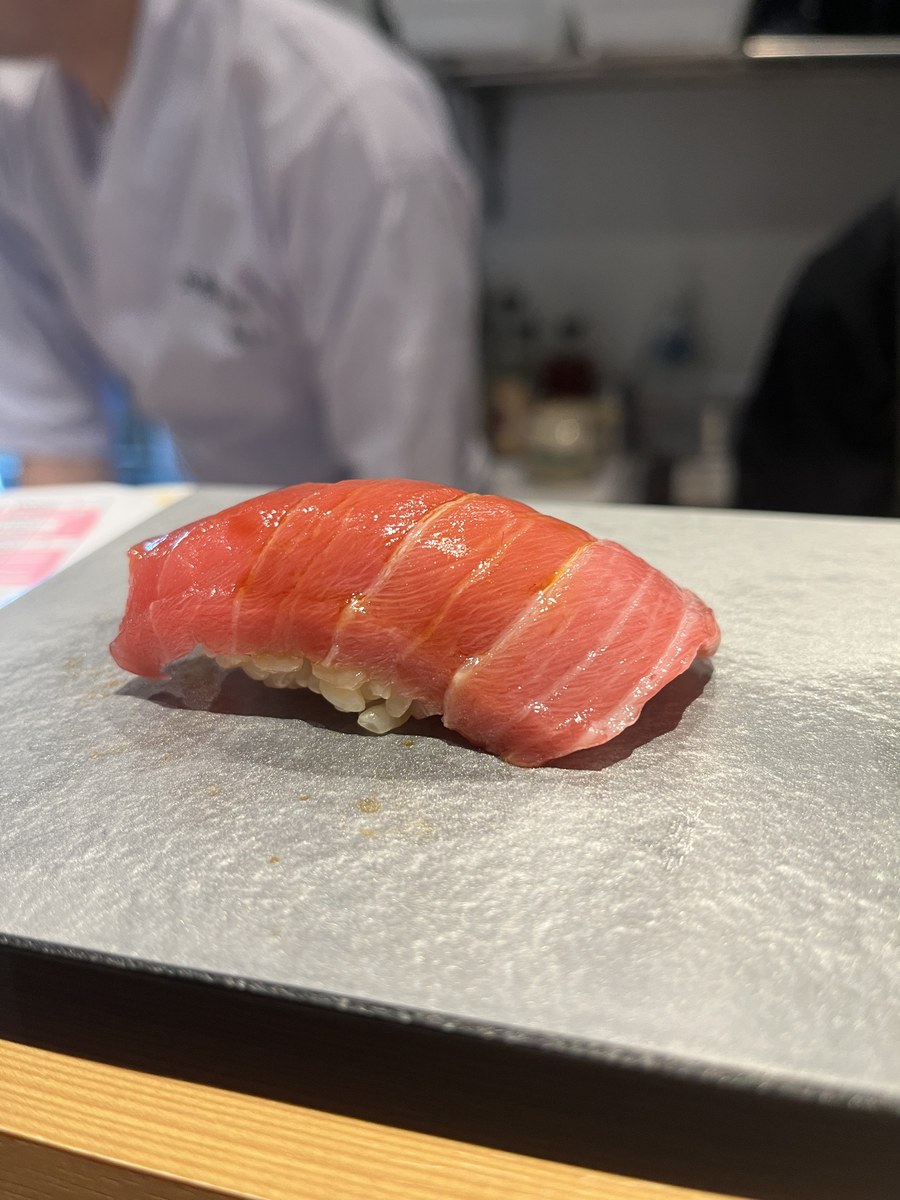
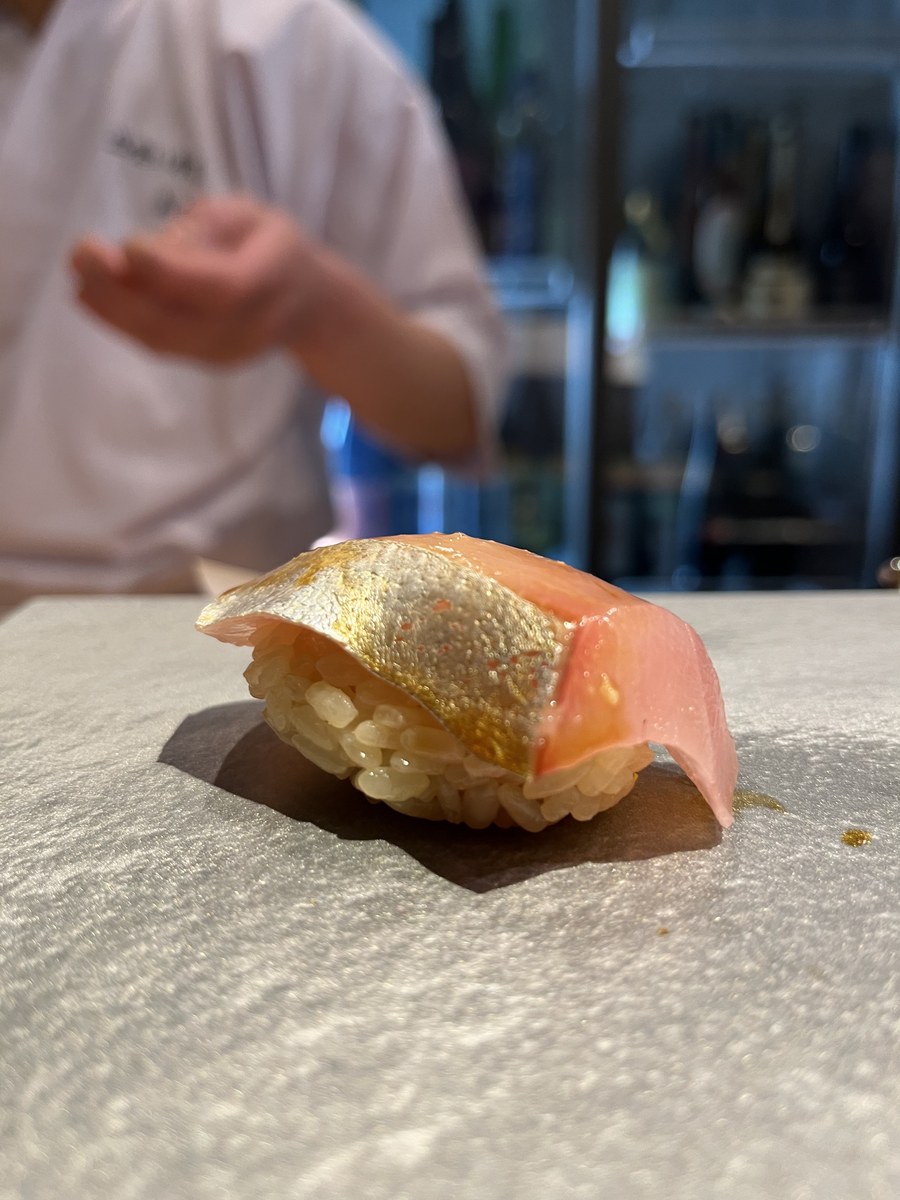
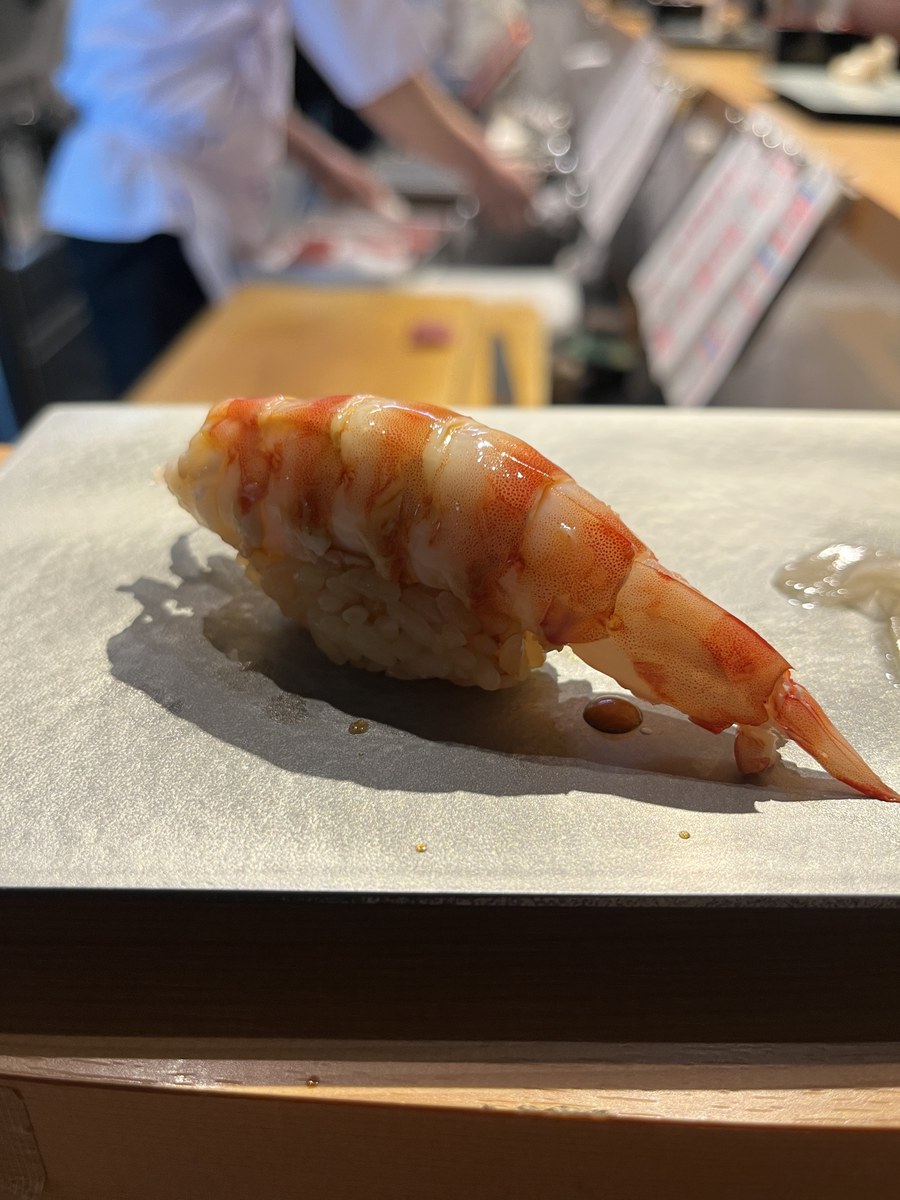
A tachigui counter is exactly what it sounds like: a taller bar, no chairs, where you stand, order, and eat. The format runs the whole quality range, from cheap stand-and-go spots by the station to genuinely excellent counters where chefs trained at the big names work the same fish you’d find in a ¥¥¥¥ omakase. The best of them — standing counters like Sushi Mikata and Tachigui Sushi Akira, both in the Michelin guide — show that standing doesn’t mean settling.
Akira and Mikata: two ways to stand
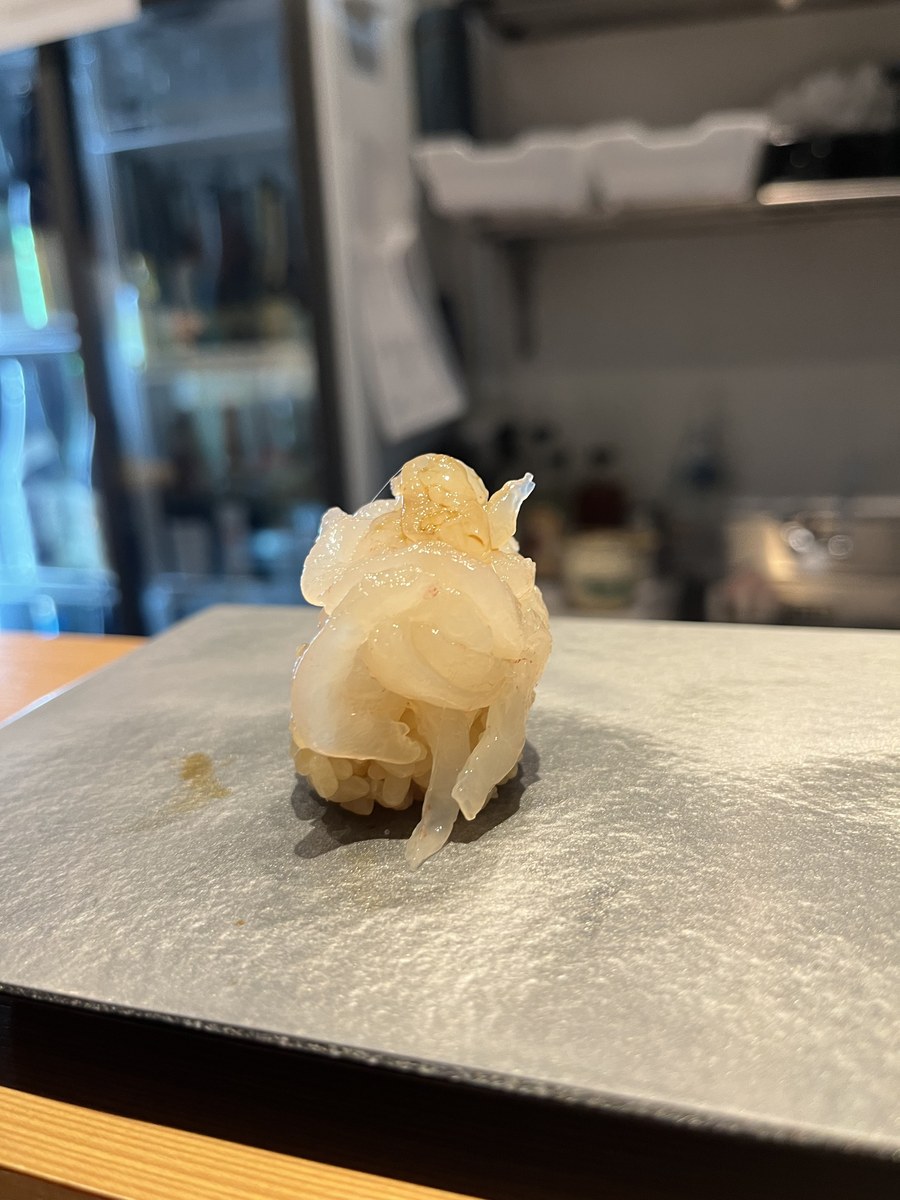
The two play it differently. At Tachigui Sushi Akira, you order à la carte — choosing, piece by piece, exactly what you want from the day’s selection. At Sushi Mikata, there’s nothing to choose: you eat the set, omakase course the chef decides, of coures you may order additional after the set is finished. One hands you the menu; the other hands the meal to the chef.
Why it’s so much cheaper
The savings aren’t a gimmick; they come straight out of the economics:
- No seats, more guests. Standing room turns over faster, so the counter serves more people a night on the same footprint.
- Lower overhead. Less space to rent, less service, less formality — costs the chef passes back to you.
- Shorter meals. You’re in and out in 30–45 minutes rather than lingering for two hours, which keeps everything moving.
Same fish, same hands — minus the chair and the long evening — and the bill drops by a third or more.
What you give up
It’s a trade, not a free lunch. You stand the whole time, the pace is brisk, and the room is usually casual and busy — sometimes a queue, sometimes cash only. It’s not the spot for a leisurely date or a two-hour omakase with sake pairings. Go for the food and the value, not the atmosphere.
Why it’s worth it
For sheer quality-per-yen, tachigui is hard to beat. It’s the ideal way to eat a skilled chef’s sushi without the splurge — perfect for a solo lunch, a quick excellent dinner, or sampling a counter before you commit to the seated version. Come knowing it’s standing and quick, and you’ll spend the time tasting instead of looking for a chair that isn’t there. Stand up, eat well, and keep the 30% in your pocket. If you are in Osaka, I highly recommend Tachizushi Hidezou, where you get delicious sushi served fresh with extremely reasonable price. And unlike Tachigui Sushi Akira, which usually does not allow you to order twice, in Tachizushi Hidezou, you can order as many times as you want.