Isoda: Kyomi-lineage kappo in Ningyocho
Isoda (磯田) is one of the harder tables to land in Tokyo right now — a small kappo counter tucked onto a Ningyocho backstreet that opened in 2021 and was close to impossible to book within a year. Part of the pull is the room: intimate, unfussy, the chef at work an arm’s length away. Most of it is the cooking. A Tabelog Award and a place on Tabelog’s Japanese-cuisine 100 followed quickly.
The chef and the lineage
Chef Isoda trained for more than six years at Shimbashi Hoshino (新ばし星野) — which places him, by descent, in the line of Kyomi (京味), the late Nishi Kenichi’s legendary Tokyo kappo and, for decades, the most worshipped and impossible Japanese counter in the city. That lineage means something specific: Kyoto-rooted, dashi-driven cooking that prizes restraint and the ingredient over any kind of flash. Isoda honours it without copying it — he’s clearly found his own direction.
Kappo, not kaiseki
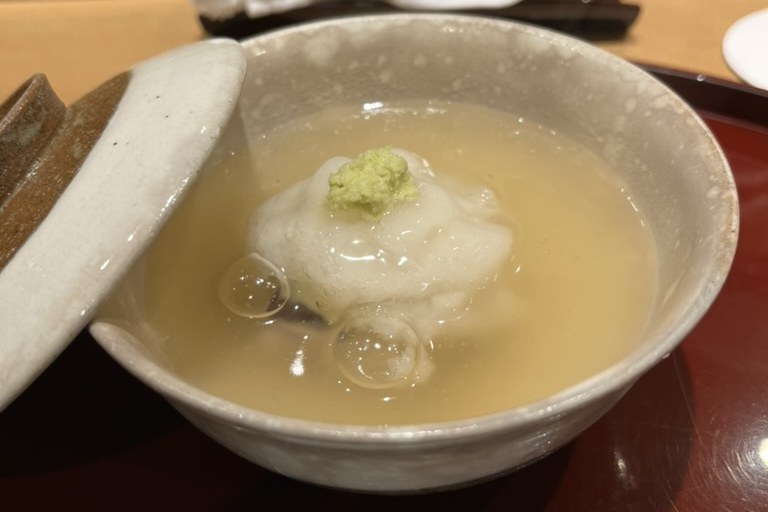
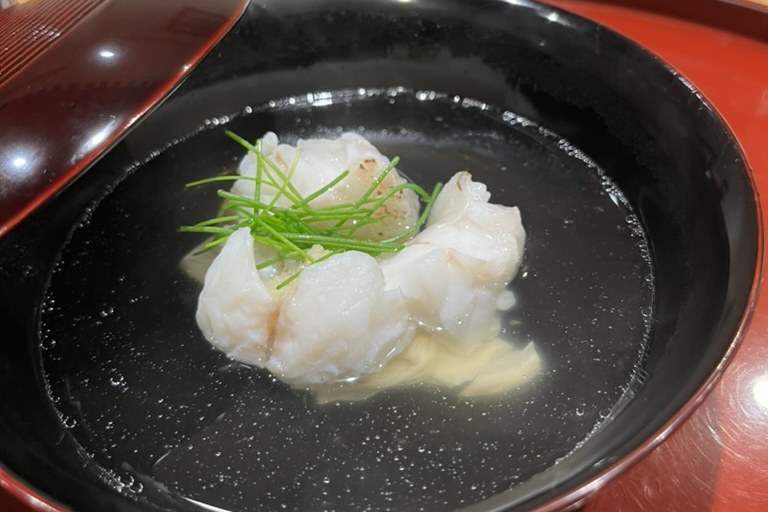
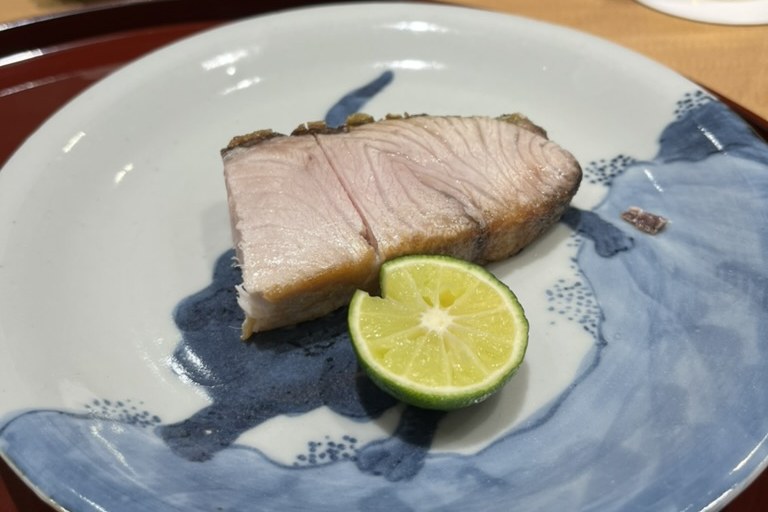
It’s worth being clear about what this is. Not a hushed, ceremonial kaiseki but kappo — counter cooking, where the chef works in front of you and the meal is built on technique and season rather than luxury for its own sake. The food is exacting but never intimidating: a clear-broth owan, a seasonal steamed dish (sea bream with turnip in the cold months), grilled kinmedai, a run of small, precise plates that turn over with the calendar. (For why the menu shifts through the year, see shun.)
The meal
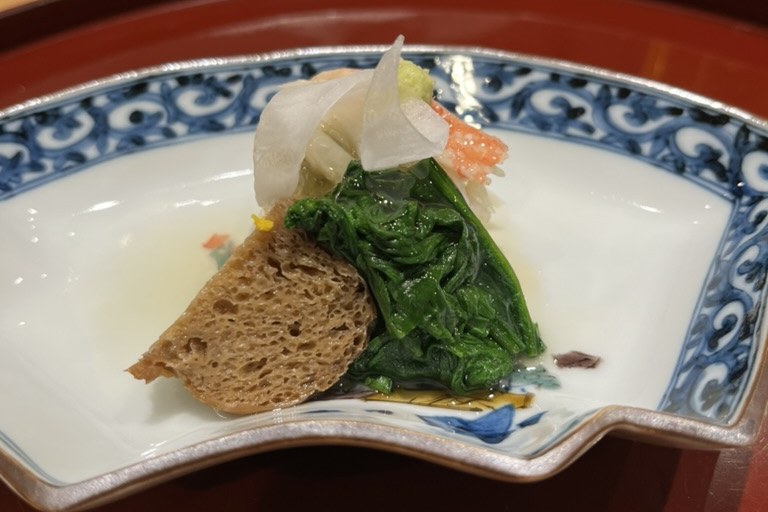
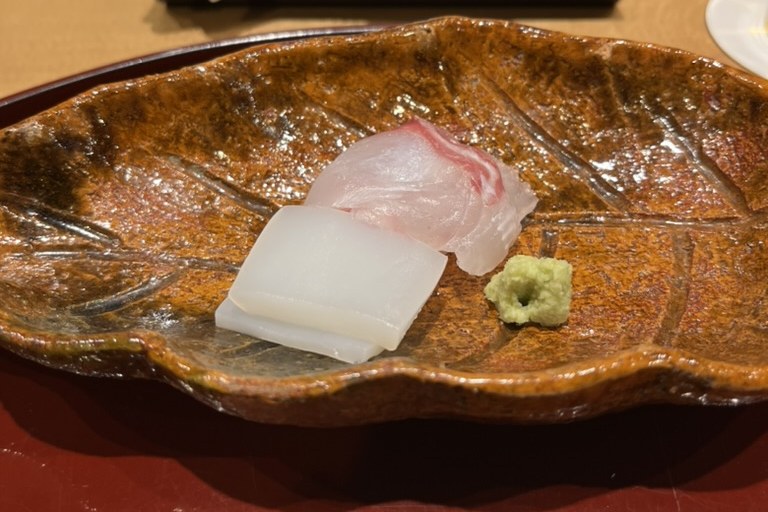
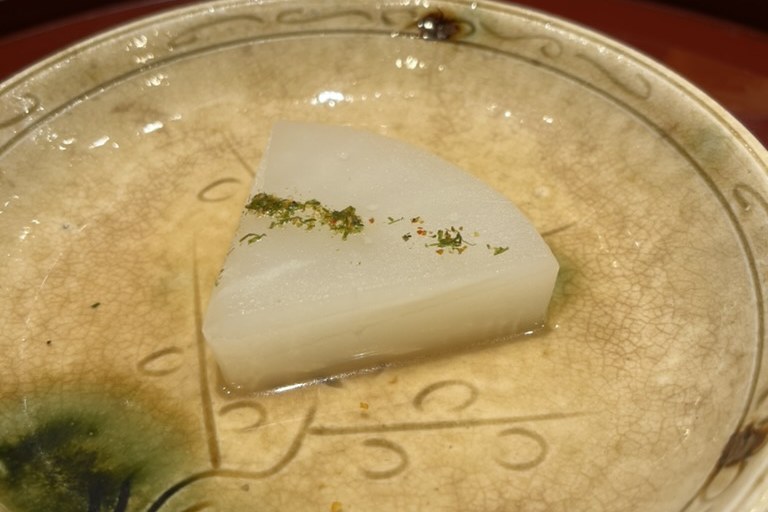
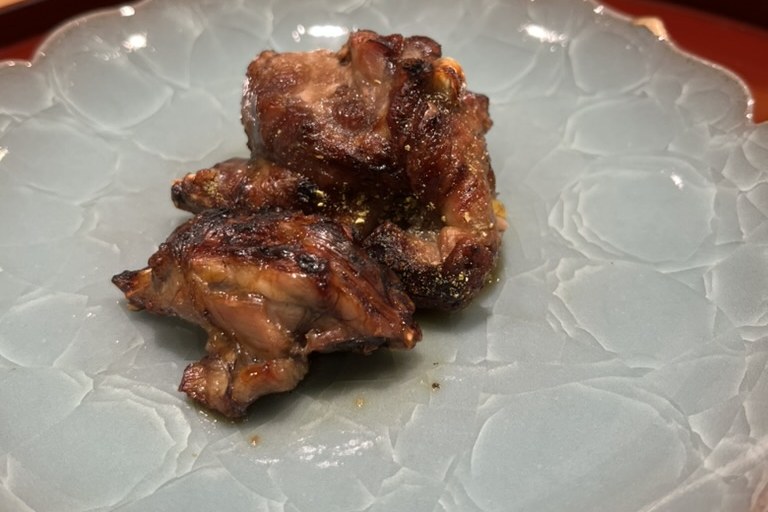
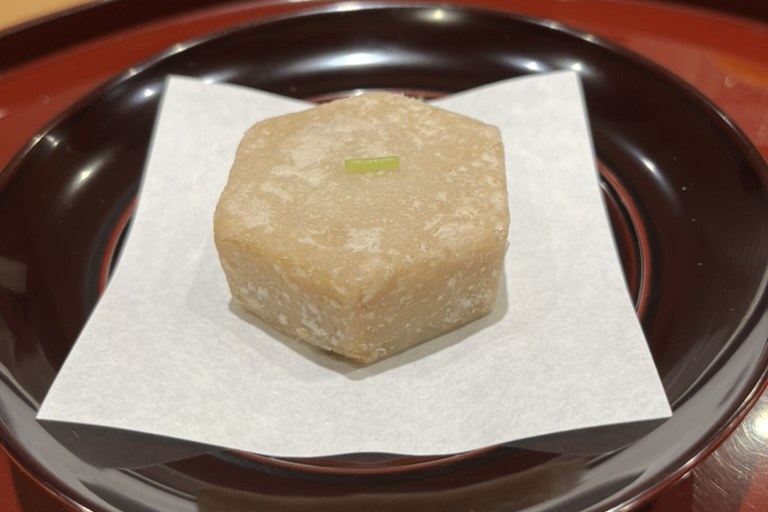
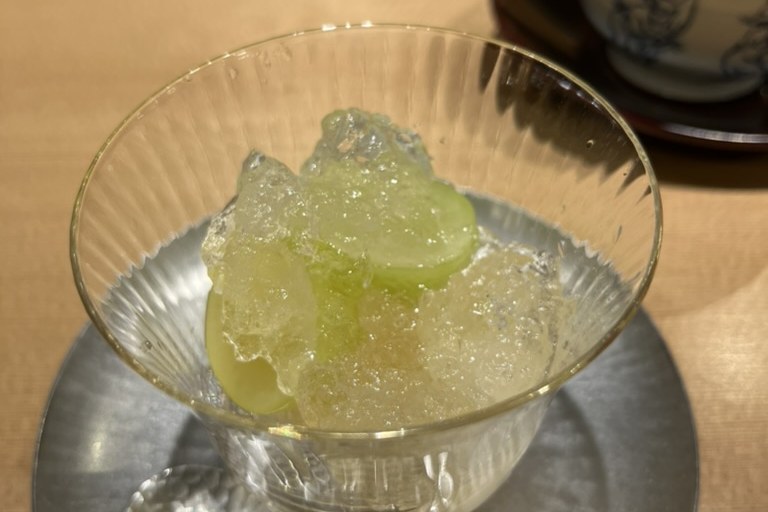
The meal moves from cool opening bites through soup, sashimi, a grilled course, and a rice dish to finish. No expensive ingredients, the food even don’t look fancy with mild seasoning. It’s the kind of meal where the joins don’t show: nothing showy, everything considered, dashi and timing doing the quiet work that separates a trained kappo chef from a merely good cook. (On the omakase format itself, see what is omakase.)
Worth the trip
The omakase runs in the ¥30,000s (more once you’re drinking), reservation-only, dinner from 6pm, closed Sundays. For the cooking and the bloodline — a living thread back to Kyomi — it’s one of the more rewarding seats in this corner of Nihonbashi, and it’s only getting harder to book.
Tips before visiting
Book through Omakase.in. The counter is about a minute from Ningyocho station (Hibiya / Toei Asakusa lines), on the third floor of a small building on the old geisha lane (Nihonbashi Geisha Shindō). Come hungry for technique rather than spectacle, and let the chef lead.