What is omakase?
Omakase ((お任せ/おまかせ)) literally means “I’ll leave it up to you.” At a sushi counter it’s less a menu than a transfer of authority: you stop choosing, the chef takes over, and what arrives is the best of what came in that morning, served in the order and at the pace he thinks it should be eaten. The word is a small act of trust — and that trust is the whole point.
What it actually means
Ordering omakase doesn’t mean “the expensive course.” It means you’ve handed the decisions to the chef. There’s no fixed list to pick from; he builds the meal around the day’s market, the season, the size of your appetite, and how the counter is running. Two guests sitting side by side might be served slightly different things. The chef is reading the fish and reading you.
That’s also why omakase changes constantly. A great counter in June and the same counter in December are almost different restaurants — the same hands, completely different fish.
Omakase vs. okonomi
The opposite of omakase is okonomi (お好み), “as you like.” Okonomi means ordering piece by piece, calling for what you want: more toro, another piece of squid, skip the mackerel. It asks that you know what you want and, often, that you can read the room. Omakase removes that burden. For a first-timer — or anyone who doesn’t know the day’s best fish — it’s almost always the better way to eat: you get the chef’s intended meal rather than your own guesses.
The shape of the meal
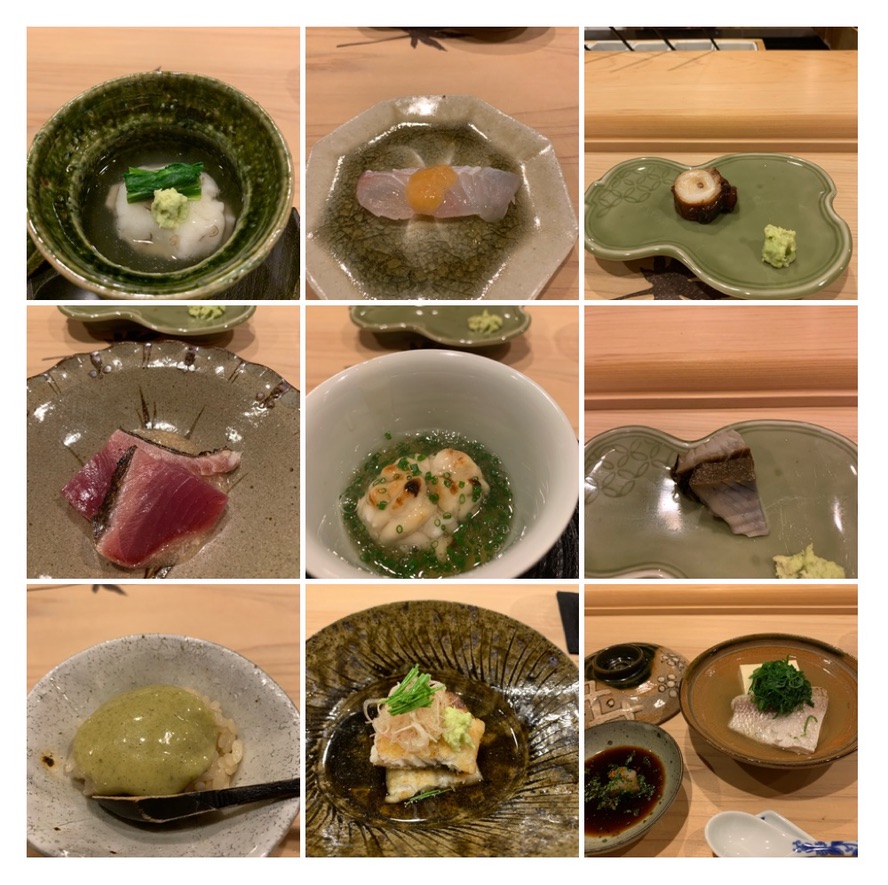
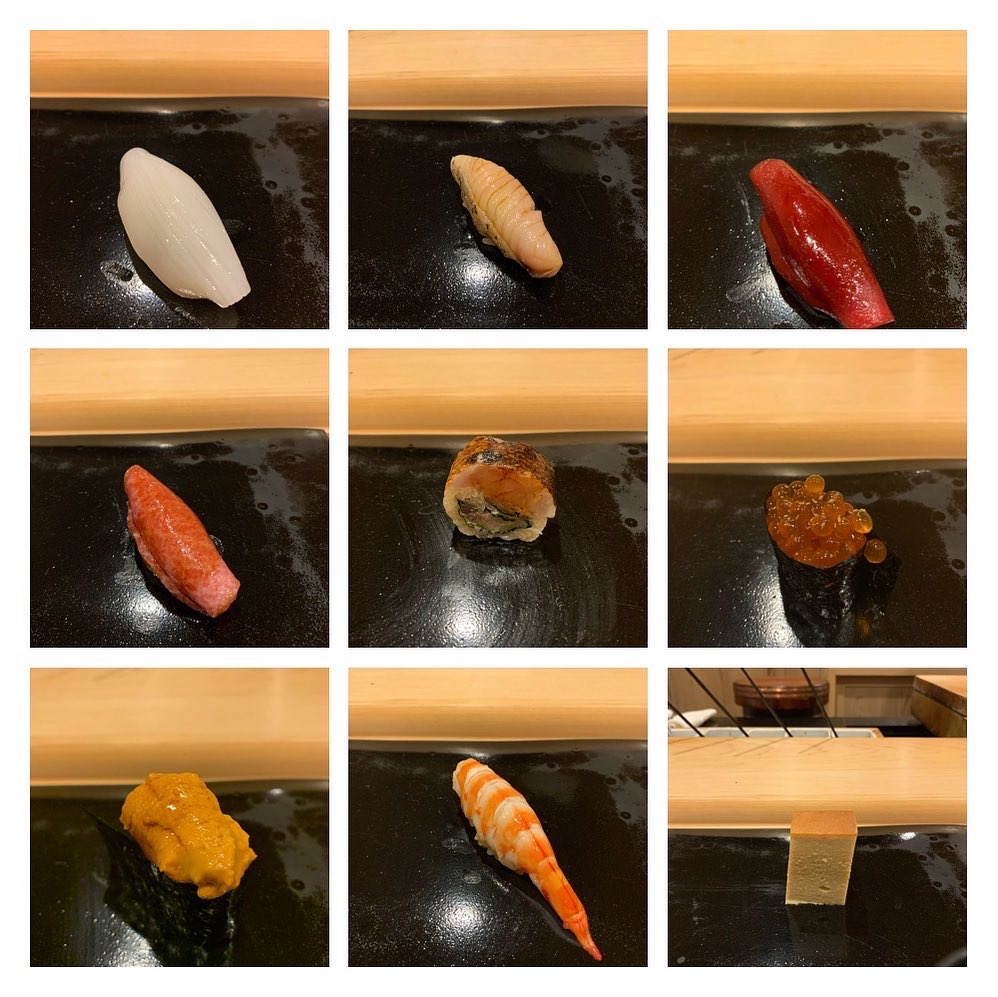
Most sushi omakase moves in two acts. It often opens with tsumami — small cooked or dressed dishes, a little sashimi, something seasonal — before turning to the nigiri. The nigiri then runs in a deliberate arc: lighter white fish early, the silver-skinned hikarimono, richer red tuna up through the toro, the warm and the briny — uni, anago — toward the end, and often tamago to close.
Each piece is made to be eaten immediately, while the rice is still loose and near body temperature. Hesitate and you lose the moment the chef built. That’s the practical core of the trust: he times the food to you, and you eat it on his cue.
Your side of the bargain
Omakase asks a little of the guest in return. Mention allergies or genuine dislikes at the start, not mid-meal. Keep roughly to the counter’s pace. A quick photo is usually fine; a ten-minute photo shoot while the rice dies is not. None of this is stiff formality — it’s the etiquette that lets the meal work. (For more, see counter etiquette.)
Not just sushi
Though most people first meet omakase at a sushi counter, the format runs through Japanese dining: kappo, tempura, yakitori, kaiseki or even French-dining in Japan all have their omakase equivalents, where you sit at the counter and let the chef lead. The common thread is the same — you give up control, and in exchange you get something more considered than anything you would have ordered for yourself.
That, in the end, is what the trust buys: not just dinner, but the chef’s best judgment, course by course.