The tuna kings: Toyosu's top three suppliers
Behind every piece of toro you’ve loved is a name you’ll never see on the menu: the tuna dealer who bought it. At Toyosu — Tokyo’s wholesale market, heir to Tsukiji — a small caste of intermediate wholesalers (nakaoroshi) holds extraordinary power. They buy the best bluefin at the dawn auction and decide which sushi chef is allowed to serve it. A chef’s tuna is, to a surprising degree, his dealer’s judgment. Three names sit at the top.
How the tuna actually reaches you
Whole bluefin arrive at Toyosu and are sold by auction to the nakaoroshi who line the market’s stalls. The chef doesn’t bid; he buys from a dealer he trusts — and the great ones don’t just sell fish, they select it, break it down, age it, and match it to the chef. The best of them turn buyers away: an allocation from a top tuna merchant is itself a mark of status. When a chef sets a small wooden placard on the counter naming his supplier, that is what he’s quietly telling you.
1. Yamayuki (やま幸) — the king
No name carries more weight. Yukitaka Yamaguchi, who built the Yamayuki group with his father, is so revered he’s known as the “God of Tuna.” His selections are the darling of Japan’s greatest counters — Sushi Saito among them — and his fish is so coveted that even established chefs struggle to secure an allocation.
What sets him apart is matchmaking: he’ll send a softer, subtler tuna to a counter with warm, gentle rice and a firmer, leaner cut to another, fitting the fish to the chef. He’s also a fixture at the New Year’s first auction, paying hundreds of millions of yen for the season’s opening bluefin. If you’ve eaten great toro in Tokyo lately, the odds are it passed through his hands.
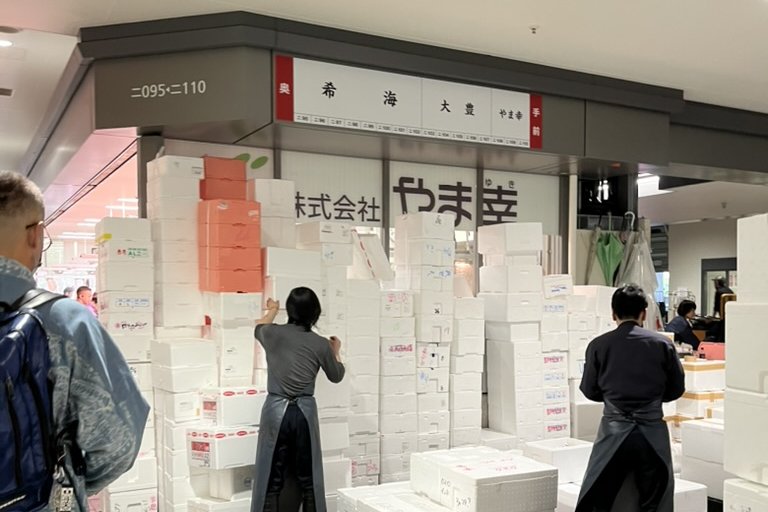
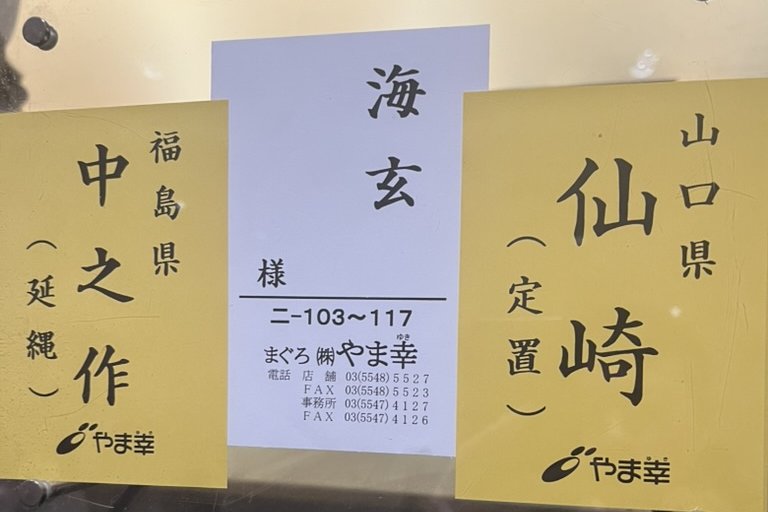
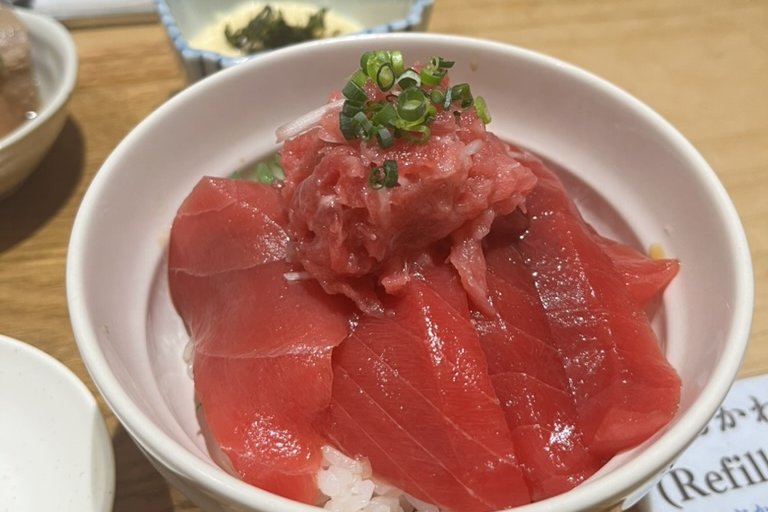
2. Fujita (藤田) — Jiro’s dealer
If Yamayuki is the modern king, Fujita is the classic. This is the intermediate wholesaler made famous by Jiro Dreams of Sushi — the tuna man Jiro Ono relies on — supplying Sukiyabashi Jiro and a roster of other elite counters. The film caught the relationship exactly: the chef is only as good as his fish, and the fish is the dealer’s call.
3. Ishiji (石司) — the most selective
With some eighty years of history, Ishiji has a reputation as the most selective tuna house at Toyosu — a dealer that buys little and rejects much, and supplies classic Edomae institutions like Hatsunezushi and Tenzushi. Where Yamayuki is everywhere at the top end, Ishiji is the quieter connoisseur’s choice. It also runs a small outlet near Monzen-nakachō called Tsubasa (つばさ), where you can eat its natural bluefin in set meals at retail prices.
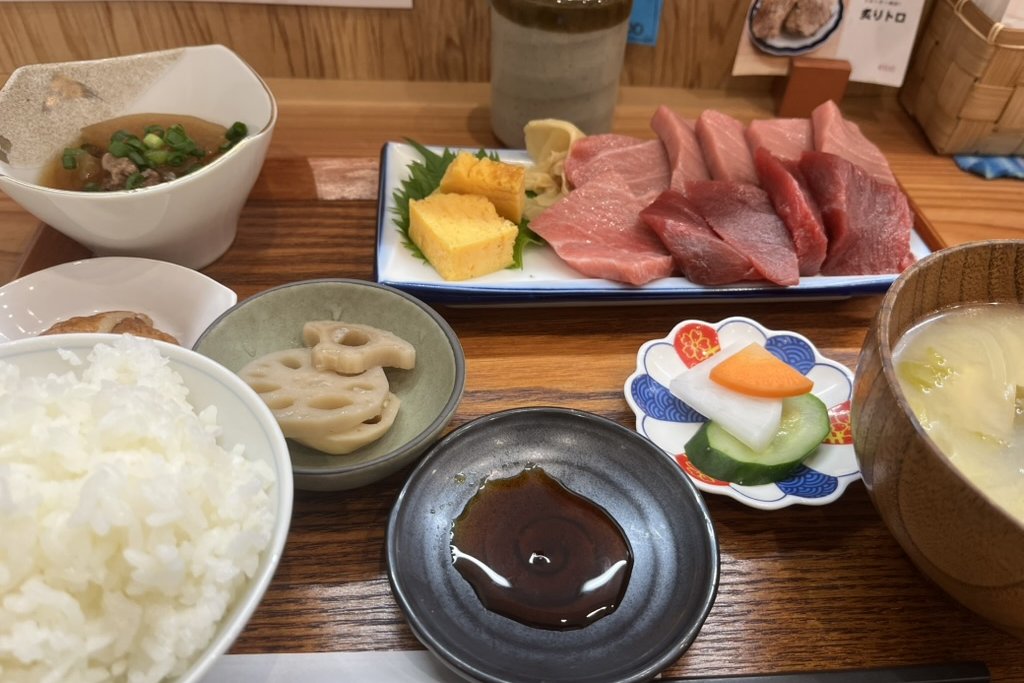
(A fourth house, Hichō (樋長), rounds out the market’s “big four” — but the three above are the names whose placards you’ll see most often at a serious counter.)
Why it’s worth knowing
It’s a useful piece of literacy. When you spot “やま幸” or another dealer’s name on the counter, the chef is naming the source of his single most important ingredient — and, just as quietly, telling you he’s good enough to be sold to. A fish has a 名産地 (see meisanchi); it also has a merchant, and at this level the merchant matters almost as much as the sea. (For everything about the fish itself, see the tuna guide.)