A map of where sushi's ingredients come from
In Japanese food culture, an ingredient is inseparable from its 名産地 (meisanchi) — the place famous for producing the best of it. A good chef won’t just say “tuna”; he’ll say Ōma tuna. Not “sea bream,” but Akashi tai. Half the art at a serious counter is sourcing — knowing whose fish, from which bay, on which morning. Here’s a map of where the counter’s regulars come from.
Tuna
Honmaguro (bluefin) — Ōma (大間), Aomori, is the legend: line-caught bluefin from the cold, churning Tsugaru Strait, routinely the most expensive fish in Japan. Toi (戸井), just across the strait in Hokkaido, is its quiet rival, and Katsuura (Chiba) and Shiogama (Miyagi) land superb fish too. Bluefin is a winter creature — the cold is what lays on the fat. (More in the tuna guide.)
White fish (shiromi)
Madai (sea bream) — Akashi (明石), Hyōgo, and Naruto (鳴門), Tokushima: fish muscled firm by the fierce tides of the Seto Inland Sea.
Hirame (flounder) — at its winter best as kan-birame from Aomori and the Jōban coast (Fukushima and Ibaraki), where the cold tightens the flesh.
Nodoguro (blackthroat seaperch) — the Sea of Japan: Shimane, the Gotō islands off Nagasaki, and the Noto peninsula in Ishikawa.
Silver-skinned fish (hikarimono)
Kohada (gizzard shad) — Amakusa (天草), Kumamoto, and historically Tokyo Bay itself, the heart of Edomae.
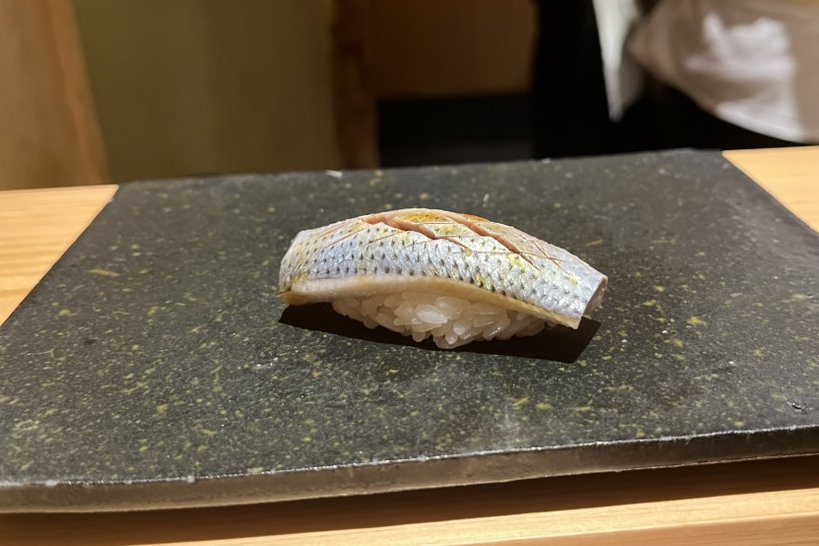
Aji (horse mackerel) — Izumi (出水), Kagoshima, on the calm Yatsushiro Sea of western Kyushu.
Saba (mackerel) — Seki-saba (関サバ) from those same Ōita waters, and Kinka-saba (金華さば) from the seas off Kinkasan in Miyagi.
Sanma (Pacific saury) — the autumn run off Sanriku and Nemuro, Hokkaido, when the fish are fattest.
(On why these pieces matter most, see hikarimono.)
Shellfish and clams
Akagai (ark shell) — Yuriage (閖上) in Sendai Bay, Miyagi, and Yura (由良) in Hyōgo, both prized for sweetness and scent.
Mirugai (gaper clam) and torigai (cockle) — Mikawa Bay (Aichi) and Ise Bay (Mie).
Hamaguri (clam) — Kuwana (桑名), Mie, celebrated since the Edo period.
Awabi (abalone) — the Bōsō coast of Chiba and the Sanriku coast of Iwate.
Hotate (scallop) — Hokkaido (Saroma Lagoon and Funka Bay) and Mutsu Bay in Aomori.
Shrimp, squid, octopus
Kuruma-ebi (tiger prawn) — the Ariake Sea and Amakusa, Kumamoto.
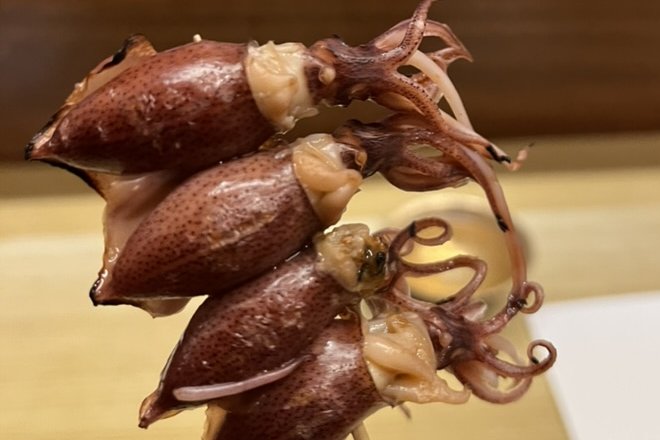
Ika (squid) — Yobuko (呼子), Saga, is famous for live kensaki and aori squid, served so fresh it’s still translucent.
Hotaru-ika (firefly squid) — Toyama Bay (富山湾), where the spring shoals light the water blue at night.
Tako (octopus) — Akashi (明石), Hyōgo again: tide-toughened, sweet, and firm.
Uni and roe
Uni (sea urchin) — Hokkaido above all, and especially the Rishiri and Rebun islands, where a diet of premium kelp makes the richest bafun-uni. Awaji and the Sea of Japan have their seasons too. (More in the uni field guide.)
Ikura (salmon roe) — Hokkaido, where the autumn salmon run.
The supporting cast
The rice and seasonings have their meisanchi too — and a chef obsesses over them just as much:
Nori (seaweed) — the Ariake Sea (Saga, Fukuoka, Kumamoto) grows the most prized sheets; Tokyo Bay was the Edomae original.
Wasabi — the spring-fed beds of Izu and the Amagi mountains in Shizuoka, and Azumino in Nagano.
Rice — Edomae shari is often a blend, but the great rice prefectures — Akita, Niigata, Miyagi — anchor many a counter’s bowl.
Akazu (red vinegar) — Handa (半田), Aichi, where it was first brewed from aged sake lees two centuries ago.
The price of a name
Provenance is also priced. The same species can fetch wildly different sums depending on where it was landed: an Ōma bluefin or an Akashi tai carries a premium precisely because of the name on the tag. Fish that isn’t from a celebrated meisanchi — a perfectly good catch from an unremarkable bay — sells for a fraction of the price. None of it is bad, and much of it is excellent value; it simply doesn’t carry the name.
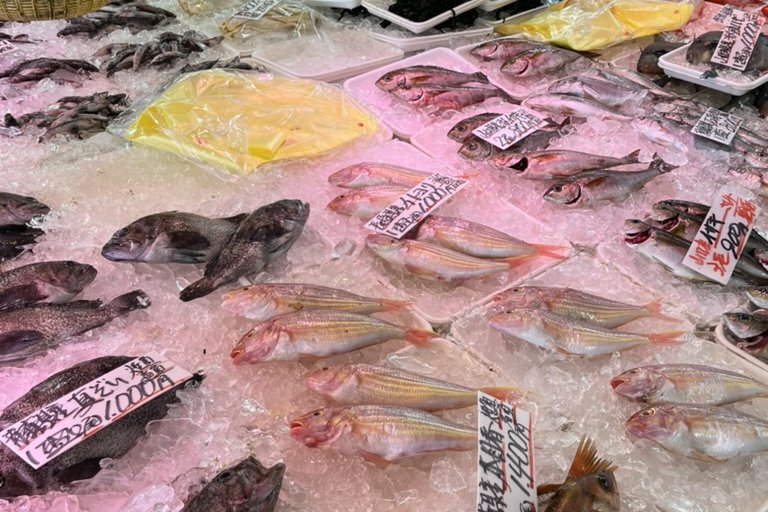
None of this is trivia. A counter’s quality is decided as much at the market at dawn as behind the counter at night — and when a chef names the bay a fish came from, he’s telling you he chose it. The meisanchi is where the meal really begins.