Sushidokoro Yamato: Sugita lineage at Tsukiji
Sushidokoro Yamato (鮨処 やまと) opened in 2021 on a quiet Tsukiji block, a few minutes from the station and the ground where the old fish market once stood. The room is spare and tea-hut plain — an L-shaped cypress counter, eight or nine seats, the chef close enough to watch every movement. It’s a young shop, but it arrived with serious pedigree, and a Michelin listing and a Tabelog rating north of 4.3 caught up quickly.
The chef
Yamato Yasui took a less common road to the sushi counter. He started in kaiseki, at Toru Okuda’s two-star Ginza Kojyu, before training under Takaaki Sugita (owner of Nihonbashi Kakigaracho Sugita) — one of the most revered and hardest-to-book sushi chefs in Japan. The lineage shows: this is exacting, rice-first Edomae in the Sugita mold, with a washoku sensibility running underneath.
The sushi
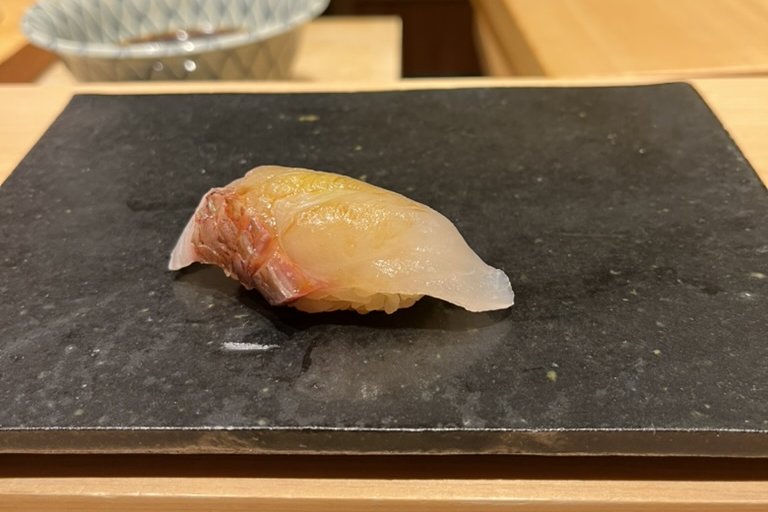
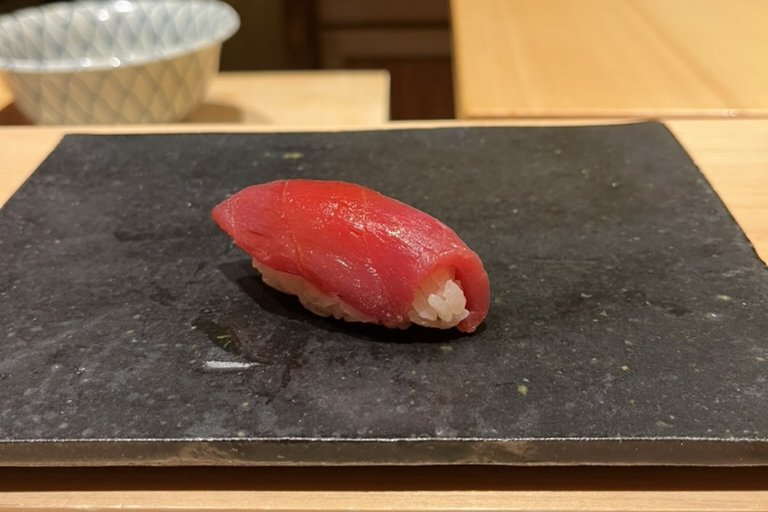
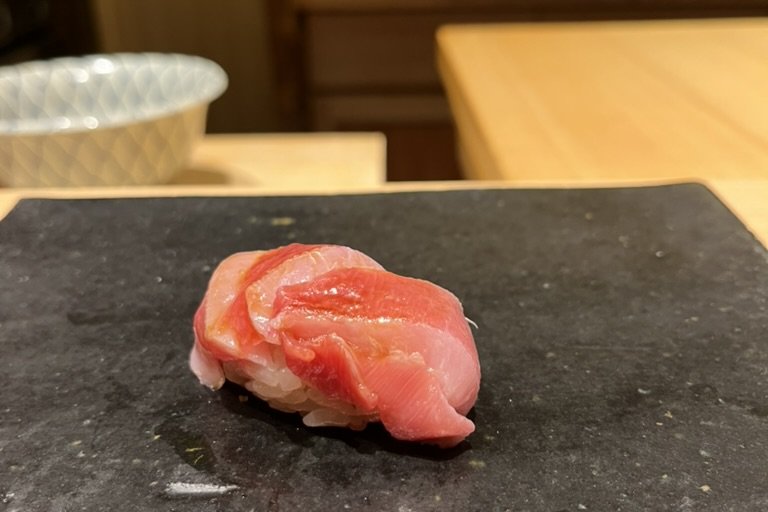
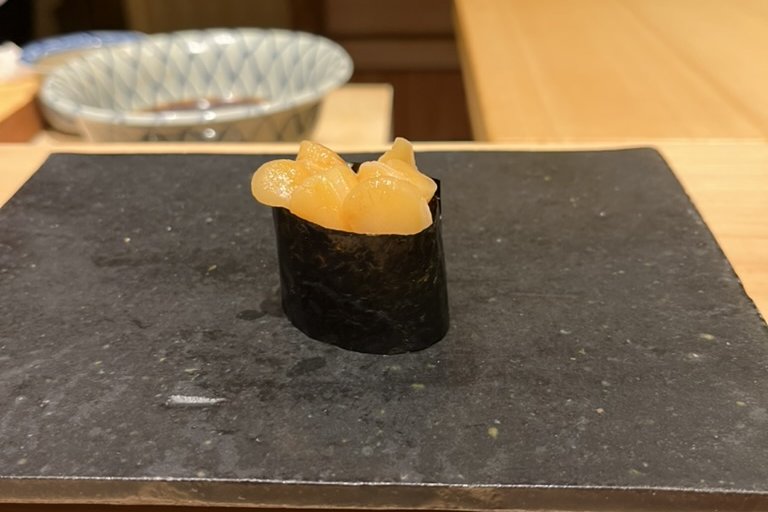
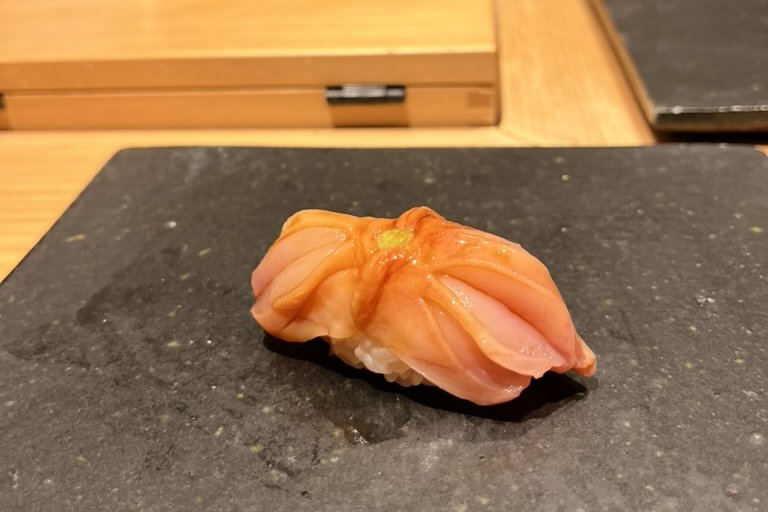
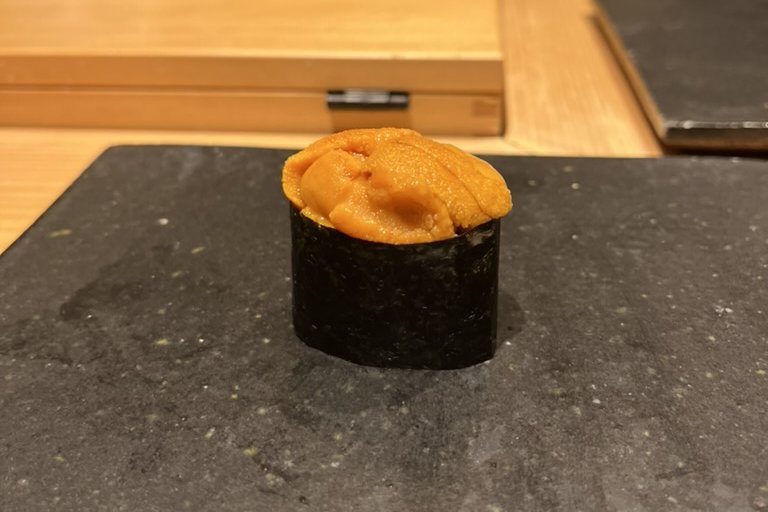
The omakase is nigiri-forward and classical — no novelty, just well-sourced fish and carefully judged shari. The piece everyone talks about is the kohada: thick, meaty, and cured so the vinegar bites cleanly against the fish’s umami — the kind of gizzard shad that tells you a chef can do the quiet things well. (For why that piece is the benchmark, see hikarimono.) Around it run the Edomae staples — squid, akami and toro, warm anago, and tamago to close.
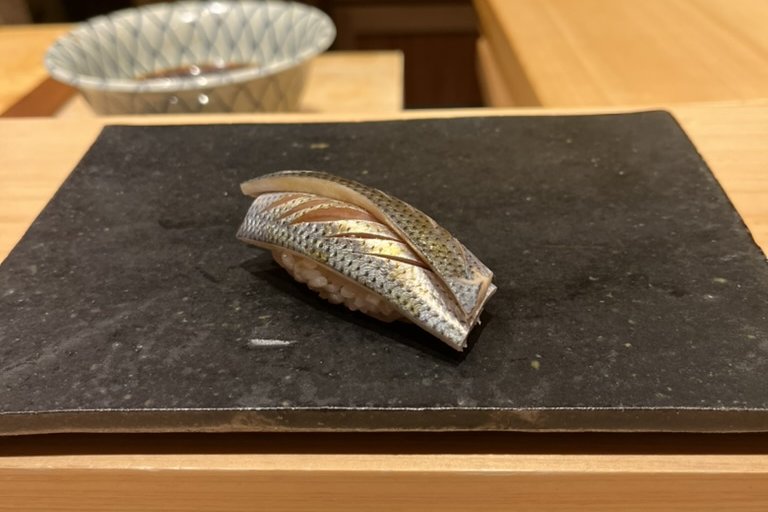
A few pieces from the counter
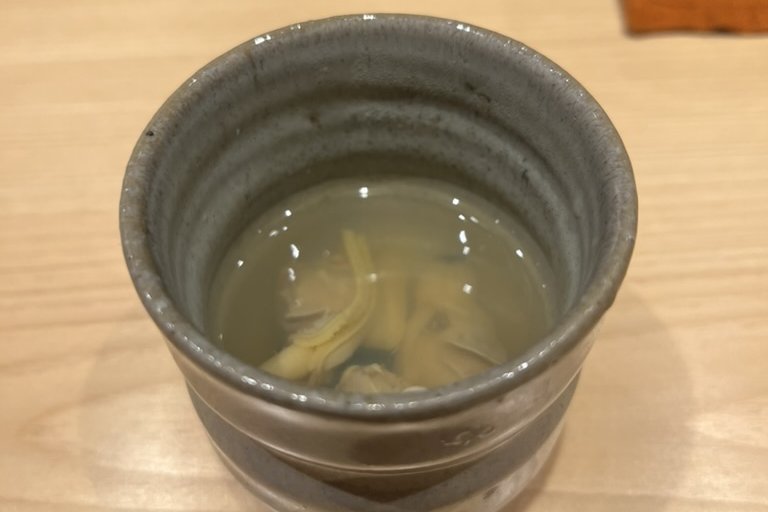
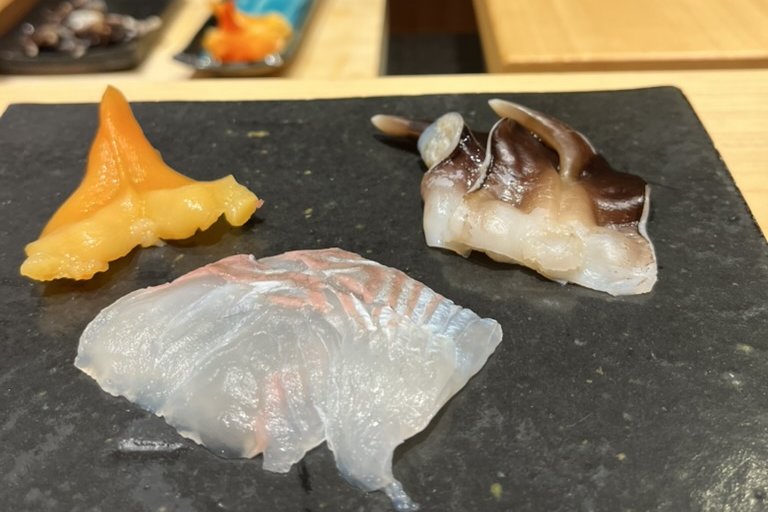
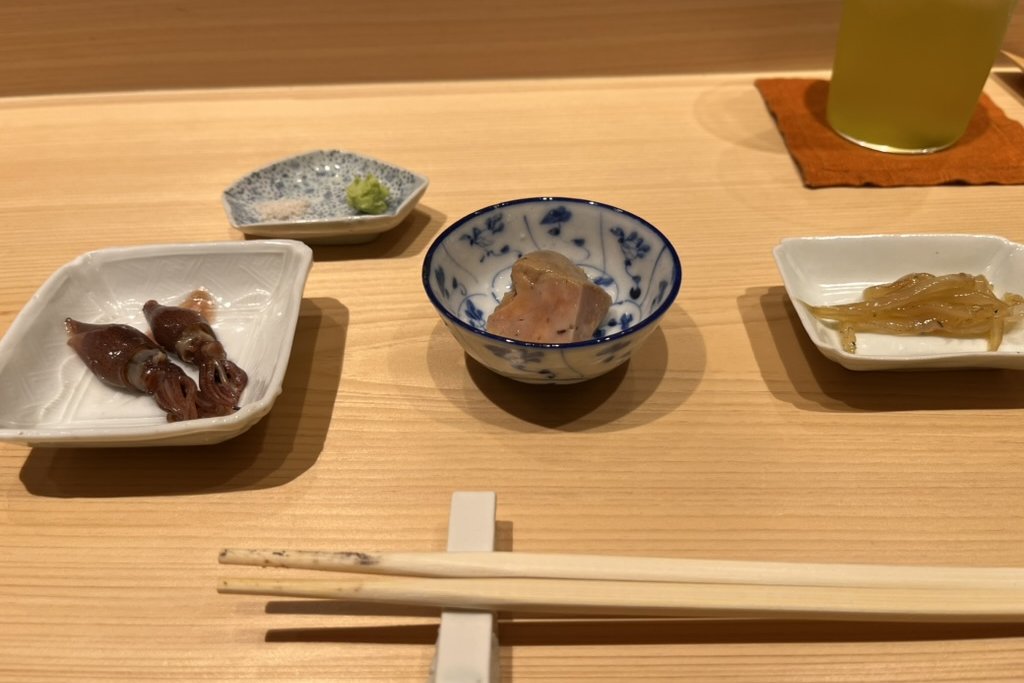
Worth the trip
Dinner is an omakase of about ¥33,000; lunch, a shorter course, runs ¥19,800 — a relatively gentle way into a counter of this quality. What you’re paying for is Sugita-school precision at a fraction of Sugita’s near-impossible access: eight seats, one chef, and sushi confident enough to be plain. I have been to both Sugita and Yamato, and I think Yamato serves at least 80% of the quality of Sugita, while being much cheaper and accessible.
Tips before visiting
Book through Omakase.in. The lunch course is the easier and cheaper reservation if dinner is full. The shop is about three minutes from Tsukiji station (Tokyo Metro Hibiya line), with Tsukijishijō (Toei Ōedo line) close by. If you visit at the second round which starts at 19:30, you probably need to wait outside until the customers of the first rounds finish their meal. The chef, Mr. Yasui is not a very talkative chef, it is a perfect place if you just want to quietly enjoy the cuisine without being distracted.