Sushi Hashimoto: generous Edomae nigiri a block from the old Tsukiji
Sushi Hashimoto (鮨 はしもと) sits on a quiet corner of Shintomi, a few minutes from where the Tsukiji market used to stand and a short stroll from Ginza. From the street it gives away almost nothing — a small sign, eight seats inside, one chef at the counter. It earned a Michelin star not long after opening in 2014 and has held it since.
The chef
Hiroyuki Hashimoto chef comes from a sushi family and spent nine years at Miyakozushi (都寿し), one of the oldest, most established Edomae houses in Tokyo, rising to second chef before striking out on his own. The style he brought with him is classic Edomae: rice-forward, unshowy, and built on technique rather than rare luxury ingredients. For your information, he best-rated sushi place, Kakigara-cho Sugita, was the chef of Miyakozushi, and currently is one of the most symbolic figures in sushi industry in Japan.
The sushi
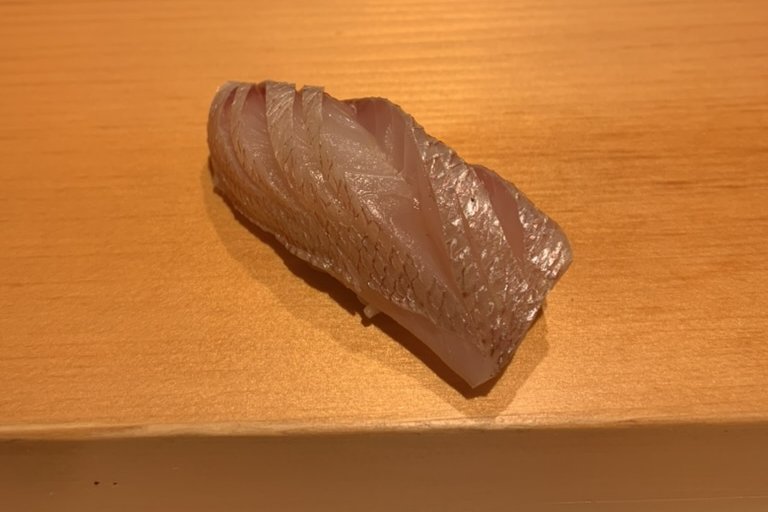
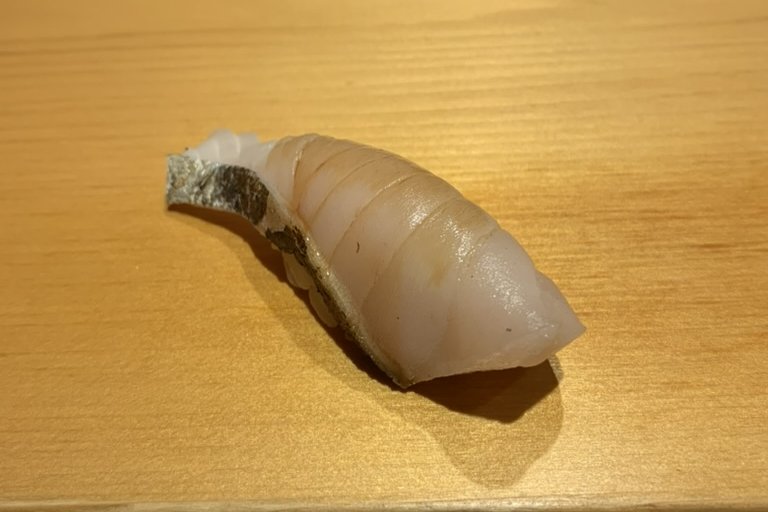
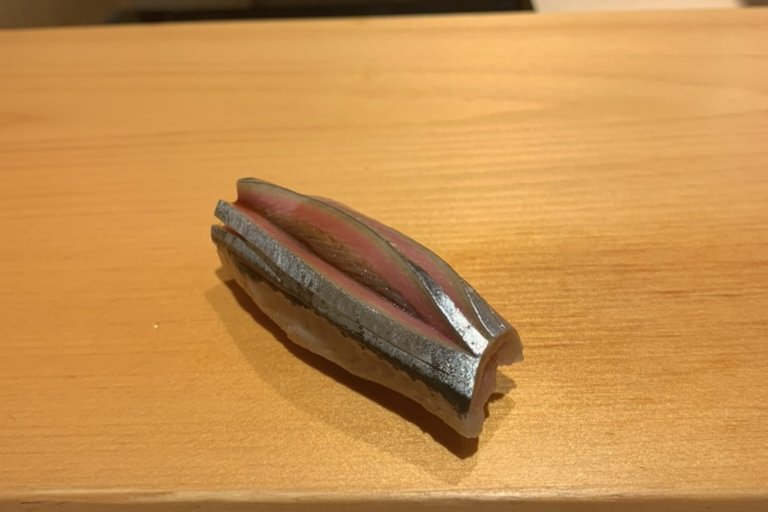
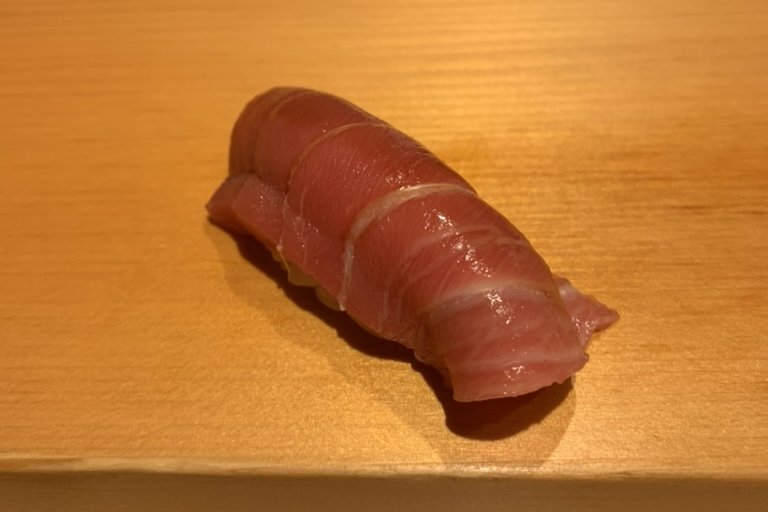
Hashimoto’s signature is size. Where much of the city has drifted toward small, jewel-like nigiri, here the pieces are generously cut — full mouthfuls of fish over warm, firmly seasoned shari. The meal opens with a handful of simple, well-judged tsumami and then settles into the main event: a run of twelve or thirteen nigiri, classic neta handled with the consistency that only comes from doing the same things, exactly, for years. The size of sushi made by Mr. Hashimoto is significantly larger (at least 1.5x) than other chef . If you are not used to large size sushi, you can ask him to make the size smaller, but just for your information, the neta size will also be cut to keep it balanced.
Expect the canonical Edomae arc rather than novelty — lighter white fish early, the silver-skinned hikarimono, akami and toro from the tuna, warm anago toward the close. The appeal is precision and generosity, not surprise.
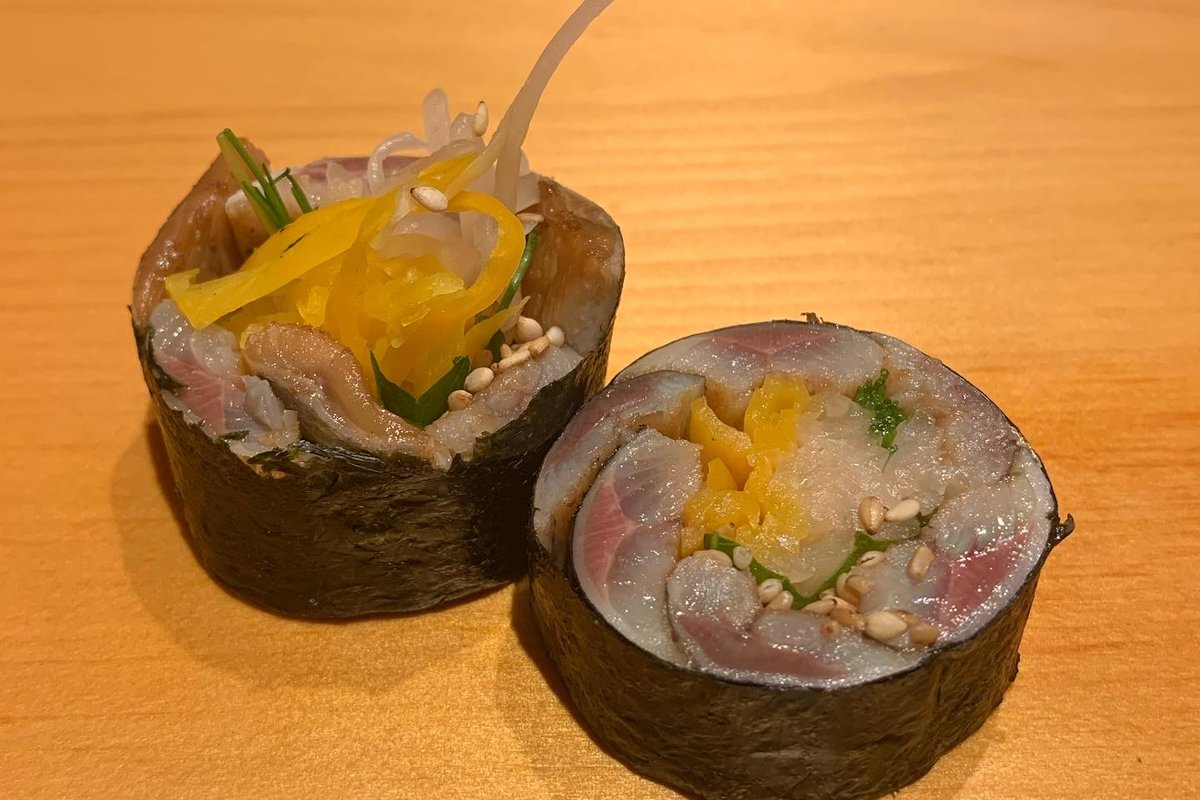
Selected opening tsumami
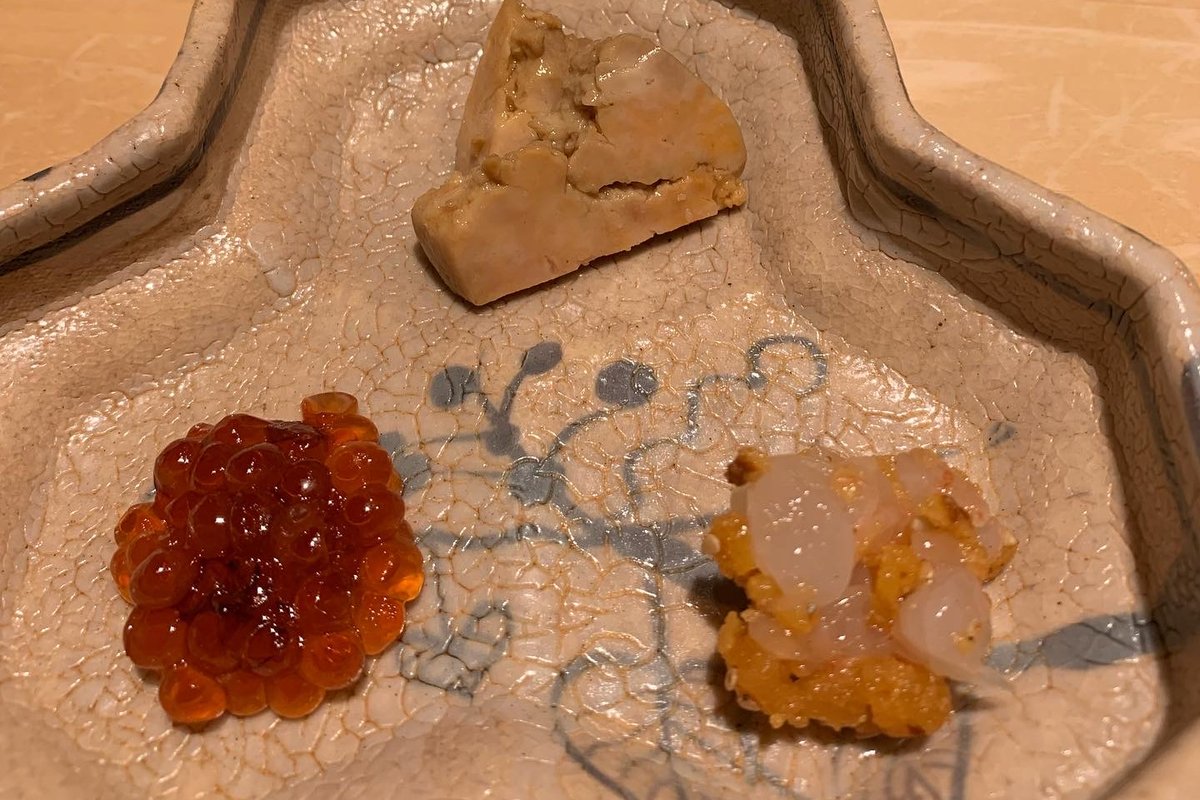
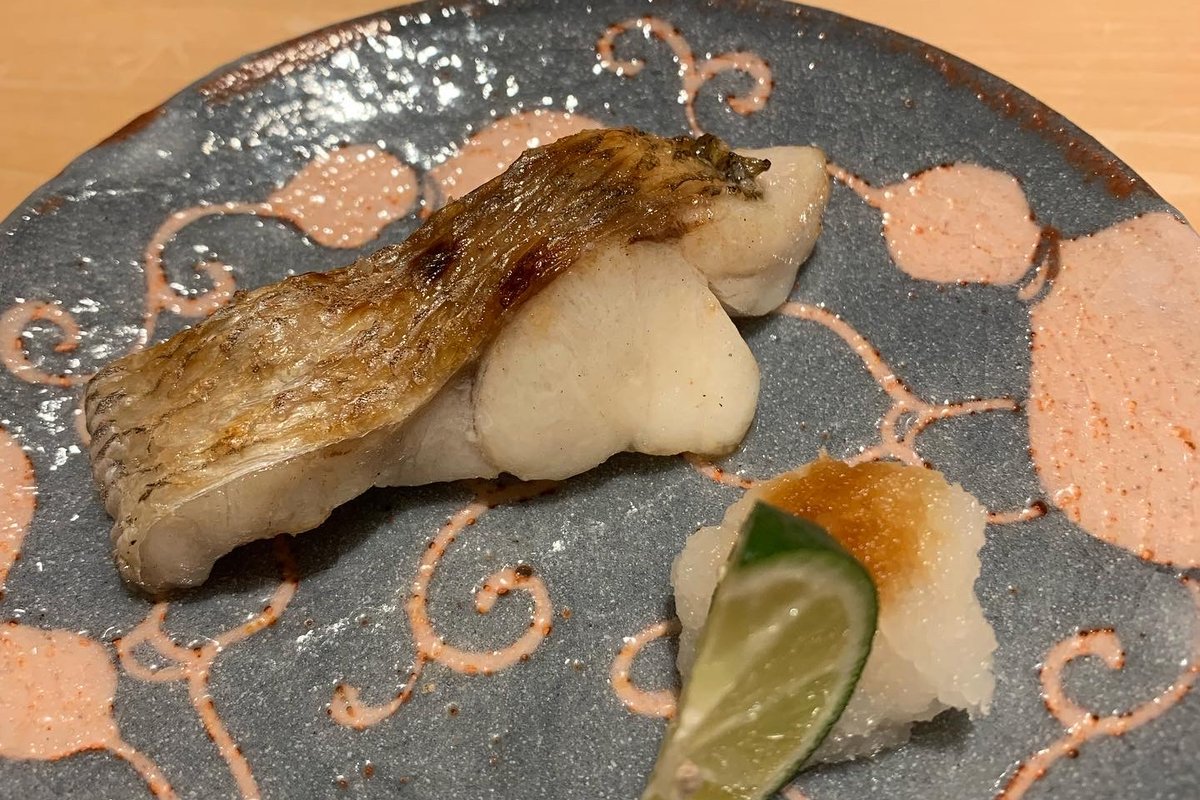
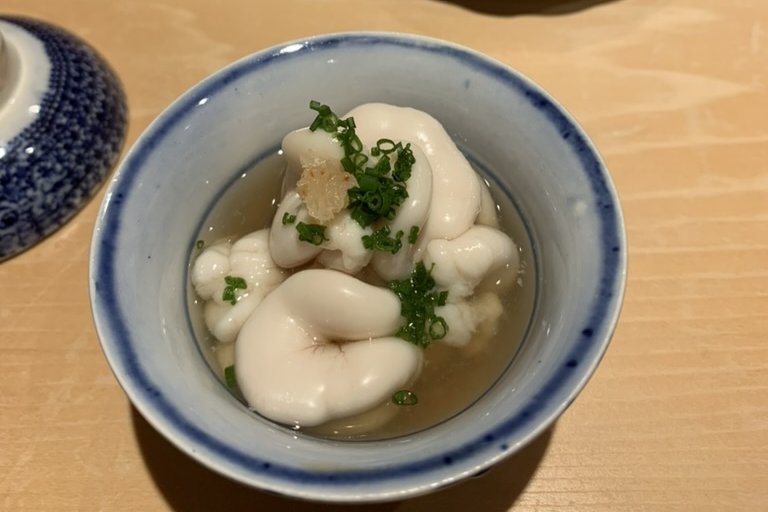
A few pieces from the counter
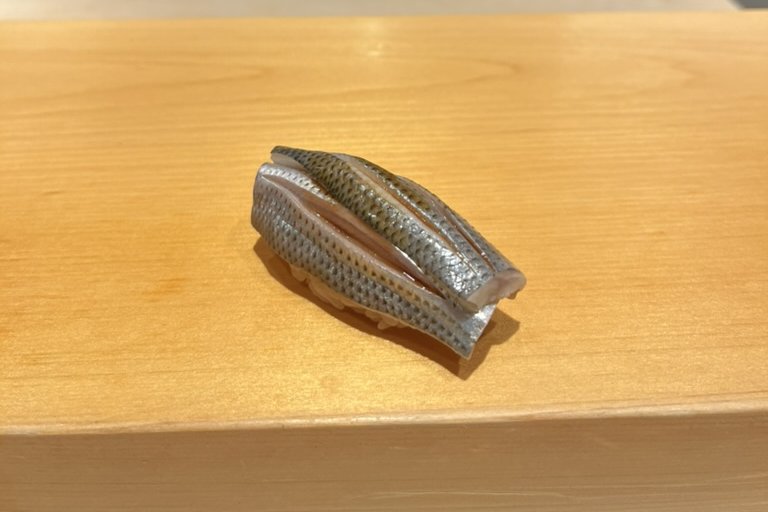
Worth the trip
The omakase runs about ¥40,000. For that you get one of Tokyo’s most consistent classical counters, eight seats, and a chef on the tools for every piece — a refined, traditional meal a stone’s throw from Ginza, without Ginza’s spectacle or its hardest doors.
Tips before visiting
Sushi Hashimoto is reservation-only and takes overseas bookings through Omakase.in, which adds a booking fee of ¥390 on top of the course price. It’s a four-minute walk from Shintomicho station (Tokyo Metro Yūrakuchō line) and about five from Hatchōbori (Hibiya line). With eight seats and a single chef, the counter runs to a tight schedule — arrive on time.