The Kanesaka–Saito school: a Tokyo sushi family tree
In Tokyo’s sushi world, who a chef trained under tells you almost as much as what’s on the rice. The best counters belong to lineages — schools that share a grammar of rice, fish, and manner — and one of the most influential of all runs through Sushi Kanesaka and its most celebrated graduate, Sushi Saito. It’s a school defined less by austerity than by warmth.
From Kyubei to Kanesaka
The roots reach back to Ginza Kyubei (久兵衛), the grand old Ginza house where a young Shinji Kanesaka trained — becoming, the story goes, its youngest chef allowed to serve guests. Around 2000 he opened Sushi Kanesaka in Ginza, a counter that earned two Michelin stars and, just as importantly, became a teaching kitchen. Over the next two decades Kanesaka turned out a generation of chefs who would go on to define modern Tokyo sushi.
Saito, the star pupil
The most famous of them is Takashi Saito. He too came up through Kyubei, then spent roughly a decade in the Kanesaka orbit, rising to head chef at the Kanesaka counter in Akasaka. In 2007 he opened Sushi Saito, and within a few years many — critics and chefs alike — were calling it the best sushi in Tokyo. It held three Michelin stars until it effectively went private, dropping out of the guide because there were no longer seats for the public to book.
What set Saito apart was never just technique; it was warmth. The counter is famous for its atmosphere — a chef who jokes and draws you in, a room that feels generous rather than reverent. Here, hospitality is treated as part of the cooking.
What the style is
That warmth is the through-line of the whole school. Where the Jiro lineage is famously austere — near-silent, almost all nigiri, a fast and reverent run through the fish — the Kanesaka–Saito counters feel warmer and more generous:
- The rice. Body-warm shari seasoned with red vinegar (akazu), which gives it a deeper, rounder, faintly sweet-tart flavor and an amber tint — rice with presence, not just a vehicle for the fish.
- The balance. A meal that moves generously between tsumami — cooked and dressed dishes — and nigiri, taken at a relaxed pace rather than marched straight through. (On that structure, see the anatomy of a sushi omakase.)
- The manner. Substantial, confident pieces and a counter that genuinely wants you to enjoy yourself. The room is part of the meal.
None of it is loud. It’s a question of emphasis — but once you’ve eaten at two or three of these counters, the family resemblance is unmistakable.
The family tree
Because Kanesaka and Saito both teach, the lineage now fans out across Tokyo and beyond. A partial map:
- Sushi Ishiyama — Takao Ishiyama, who trained under both Kanesaka and Saito.
- Sushi Kobayashi — Ikuya Kobayashi, ten years at Sushi Saito and then head chef of its Hong Kong counter, now on his own in Ebisu.
- Nagatacho Sushi Kanesaka — a Kanesaka group branch in Nagatacho, run by chefs out of the Kanesaka kitchen.
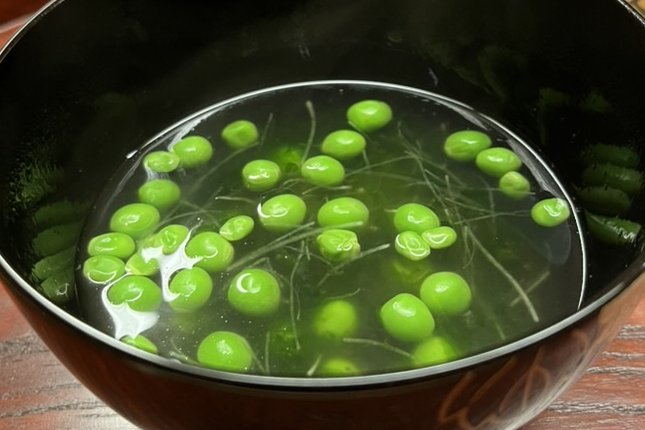
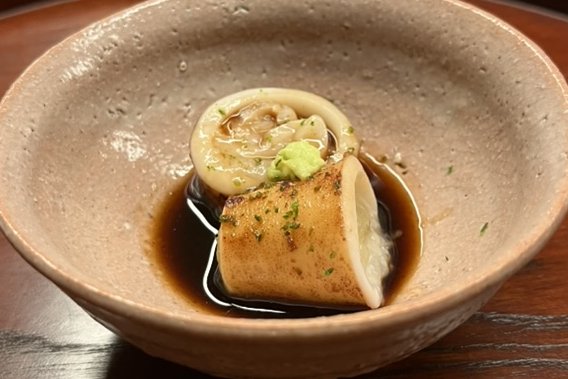
- Sushi Shunji — Shunji Hashiba, once Saito’s second chef, who opened in Motoazabu in 2020 as a noren-wake: a branch trusted to carry the master’s name and recipes.
- Sushi Tsubomi — Keiya Kawaguchi, a Saito deshi who worked the Saito counter by day and built Tsubomi by night in Meguro before taking it over.
- Sushiya Shota — a Kanesaka-lineage counter in Azabu-Jūban.
The brands travel, too. Kanesaka runs counters abroad — Shinji by Kanesaka in Singapore, a London room, and a Hong Kong outpost led by a chef from its Palace Hotel Tokyo branch — while Saito’s name reaches Kuala Lumpur through Taka by Sushi Saito. Saito himself has said the point of training so many chefs is to send them out to open shops of their own, “one after another.”
Counters in the family
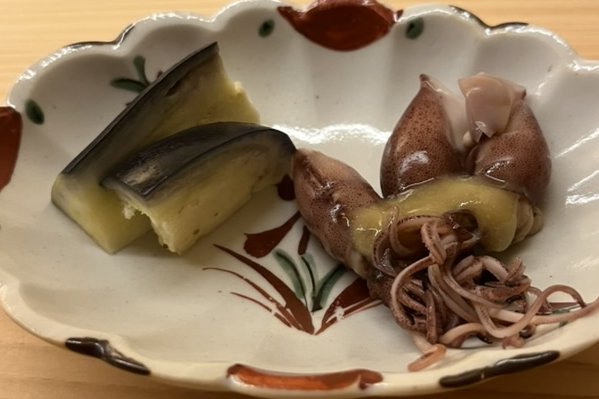
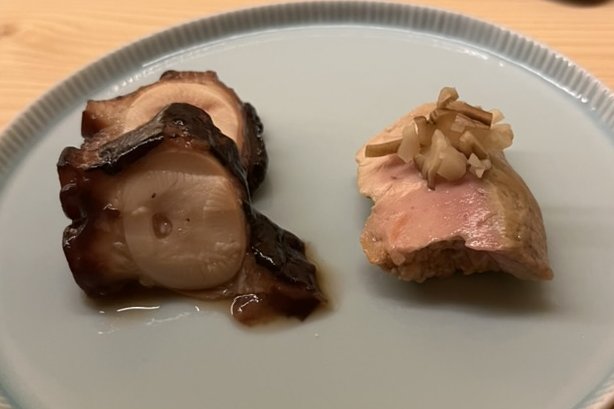
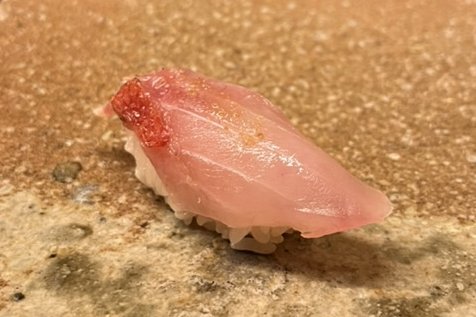
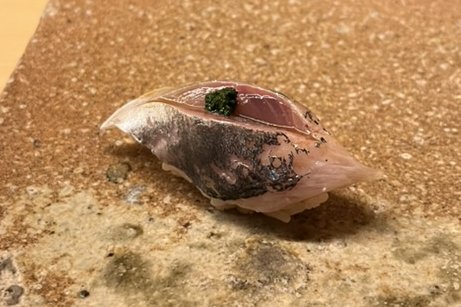
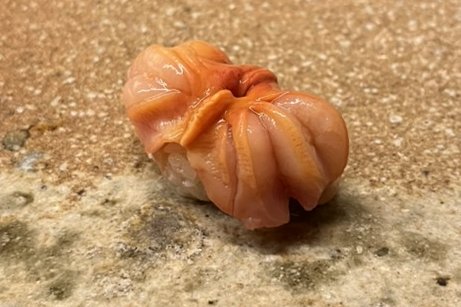
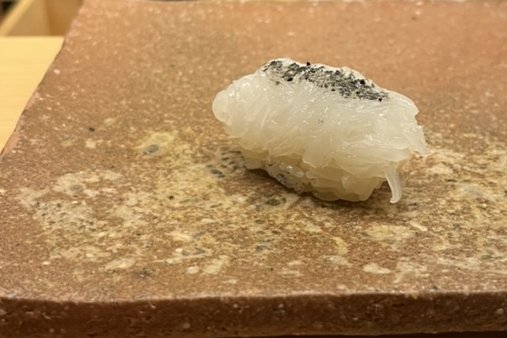
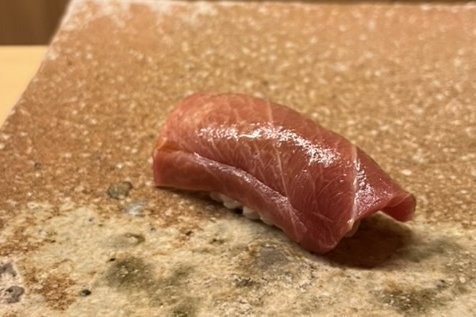
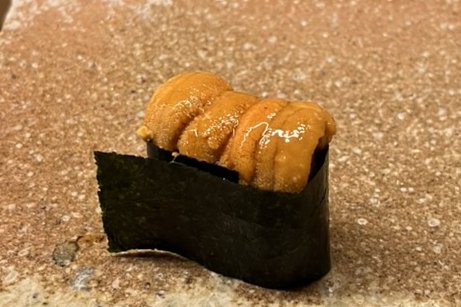
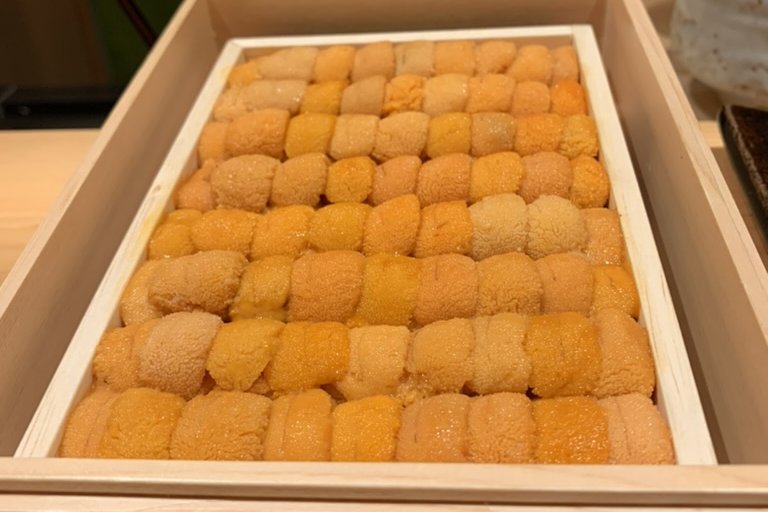
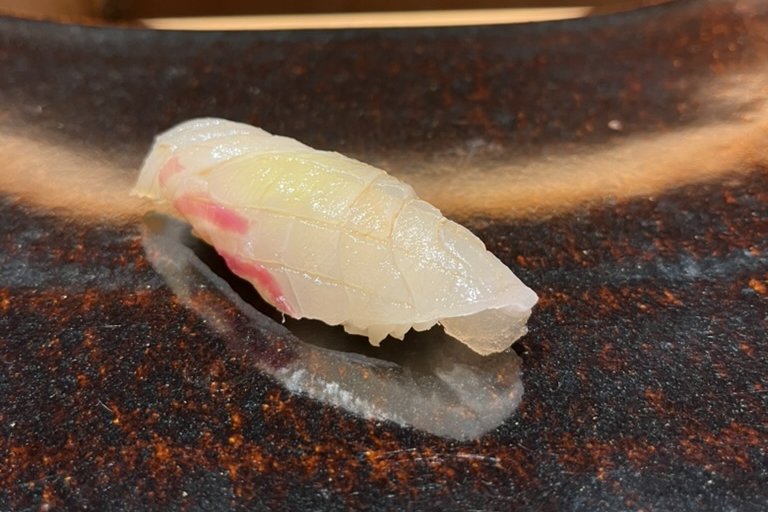
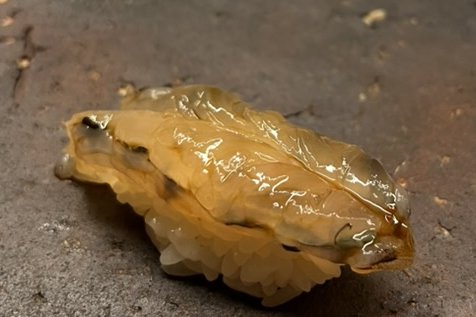
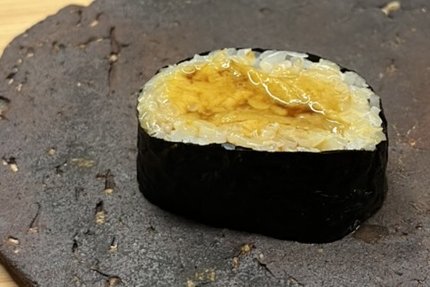
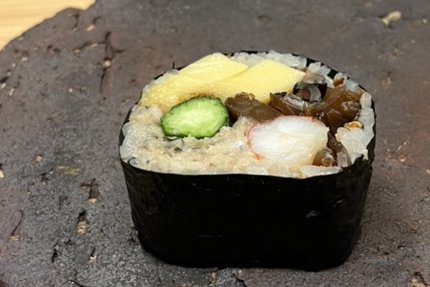
The family resemblance is easiest to see at the counter. Here are meals from a few shops in this lineage — different chefs and rooms, the same warm, generous grammar of rice and fish.
Sushiya Shota — Kanesaka lineage, Azabu-Jūban
Nagatacho Sushi Kanesaka
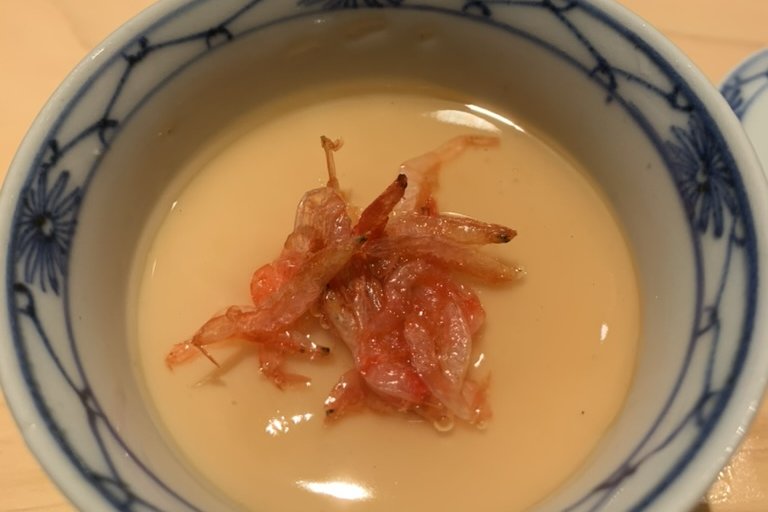
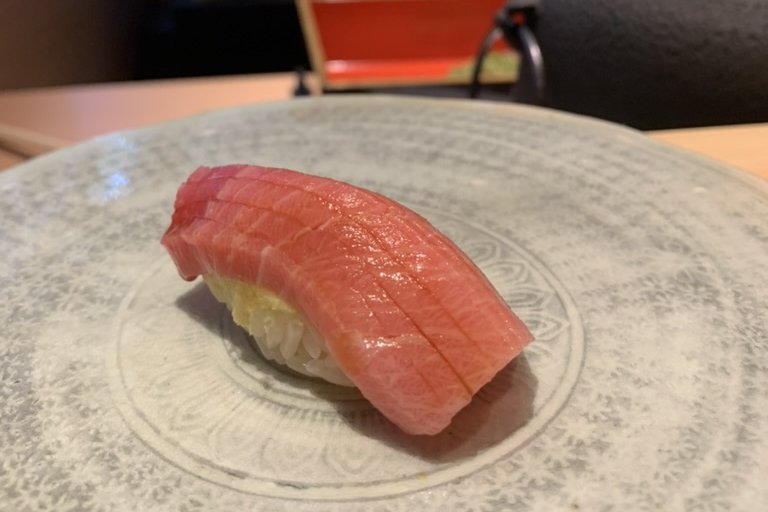
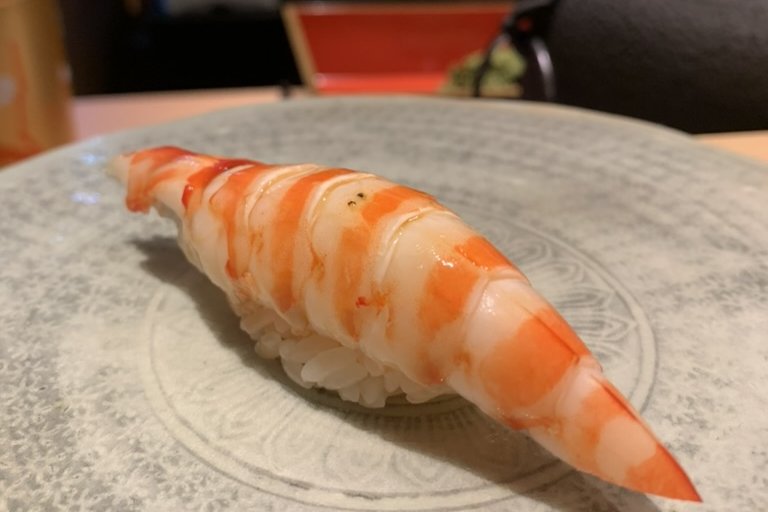
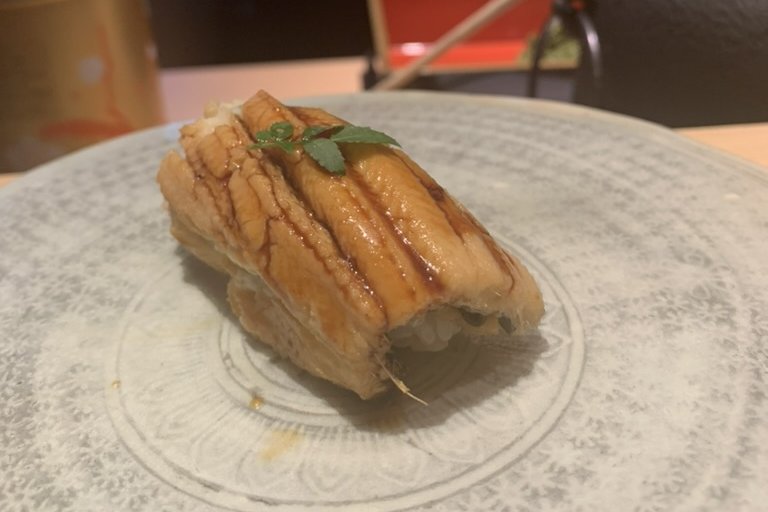
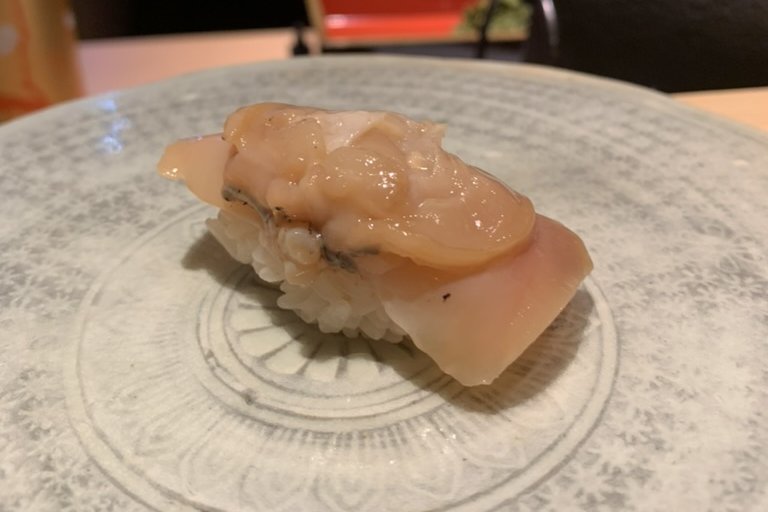
Sushi Tsubomi — Saito lineage, Meguro
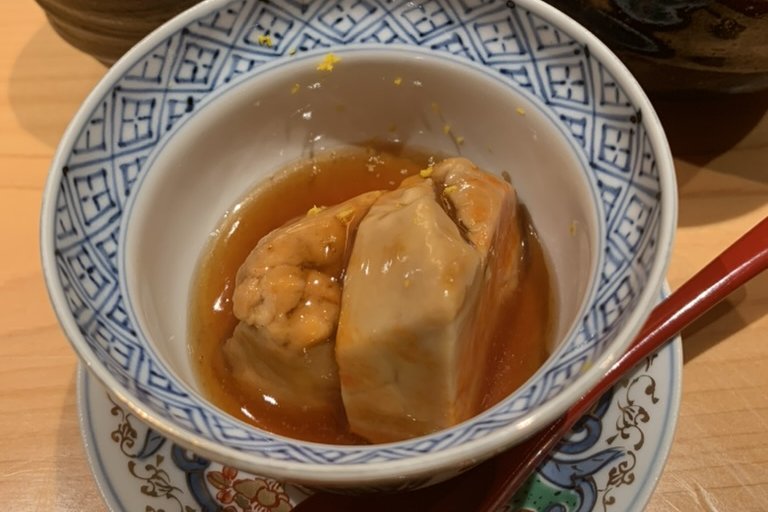
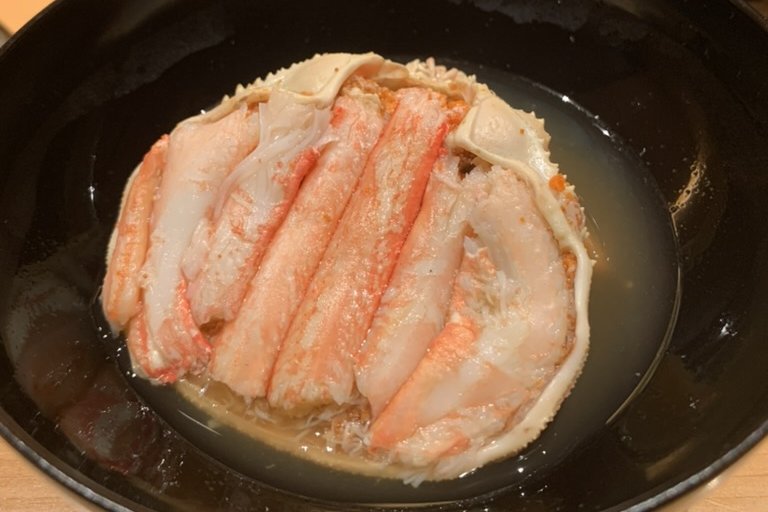
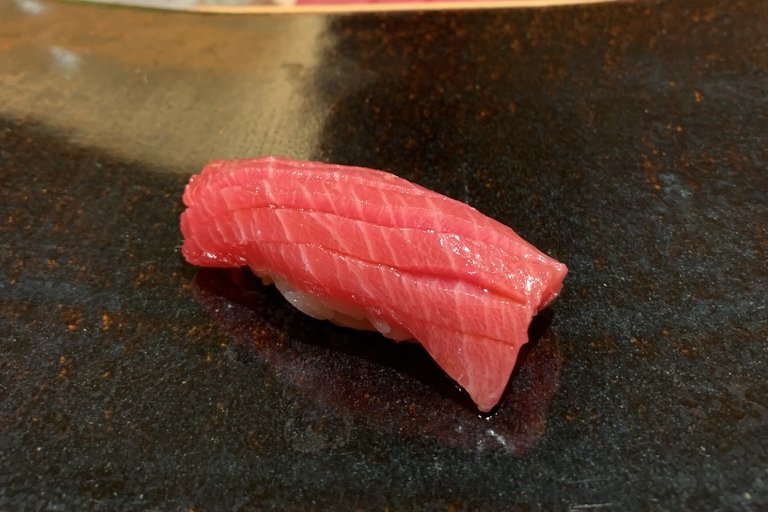
Sushi Shunji — Saito lineage, Motoazabu
Why it’s worth knowing
The practical payoff is simple. The headline names are nearly impossible to book — Saito doesn’t take the public at all anymore — but the lineage is a map. A counter with Kanesaka or Saito in its chef’s history is a good bet for the same warm, red-vinegar rice, the same generous balance, the same idea of what a sushi meal should feel like — often at a seat you can actually reserve. In Tokyo sushi, the family tree is also a guide.