Aramasa: why this Akita sake is so special
Aramasa (新政) is, by most reckonings, the most sought-after sake in Japan — the bottle collectors chase, restaurants ration, and beginners hear about before they can tell junmai from honjōzō. From a small brewery in Akita City, it has spent the last fifteen years quietly rewriting what premium sake can be. What makes it special isn’t marketing. It’s a stack of deliberate, almost stubborn choices that no large brewery would make.
A brewery with a yeast of its own
Most of Aramasa’s identity traces back to a single microbe. In 1930, a yeast was isolated in Aramasa’s own cellar that fermented cleanly, slowly, and with unusual elegance. It entered the national library of brewing strains as Association Yeast No. 6 (協会六号), and it remains the oldest association yeast still in commercial use.
Nearly every modern sake leans on later, flashier strains, bred for big tropical and floral aromas. Aramasa went the other way: it uses No. 6, and only No. 6, across its entire range. The house character — restrained, savory, alive rather than perfumed — starts there. (The brewery’s name, “new government,” dates to the Meiji Restoration; the yeast, fittingly, is the conservative heart of a place obsessed with the future.)
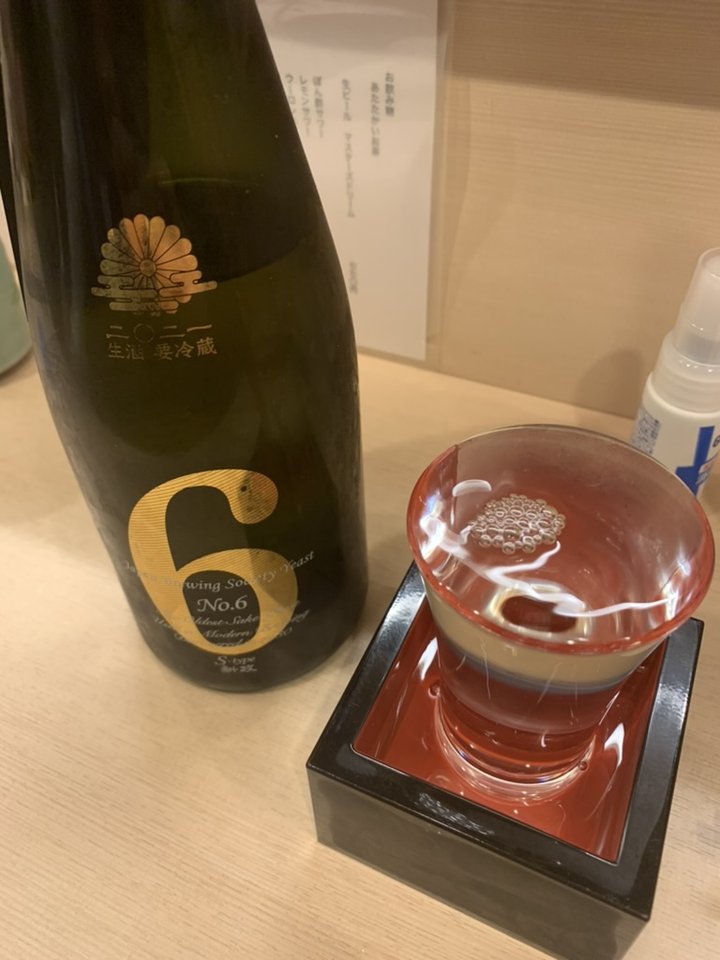
The journalist who came home
For most of the twentieth century Aramasa was an ordinary regional brewery, and by the 2000s a failing one — twelve straight years in the red. Its rescue came from an unlikely direction. Yusuke Sato, the eighth-generation son, had left Akita to work as a magazine journalist in Tokyo. He came back in 2007 with an outsider’s eye and a critic’s conviction, and over the next few years tore up the playbook. Where most struggling breweries cut corners, Sato added constraints.
Back to the old ways
One by one, he stripped out the shortcuts of modern brewing. Aramasa abandoned sokujō — the fast, reliable starter that uses a dose of laboratory lactic acid — and committed entirely to kimoto, the older, labor-intensive method that coaxes lactic acid from the air and the room over weeks. It dropped distiller’s alcohol: everything is junmai, rice and water only. It stopped stripping its sake with activated charcoal, letting color and flavor stay. And it began reviving kioke — the great cedar fermentation vats that all but vanished from Japan when enamel and steel took over — for the faint, living complexity that wood gives back.
None of this is easy or cheap. All of it is the point.
Akita in the bottle
Aramasa also drew a hard border around its ingredients: only rice grown in Akita, and increasingly rice the brewery grows itself, on naturally farmed paddies. The idea is terroir — the notion, borrowed from wine, that a sake should taste of a specific place and not merely a polishing ratio. It’s a quietly radical stance in an industry that has long treated rice as an interchangeable commodity to be milled away.
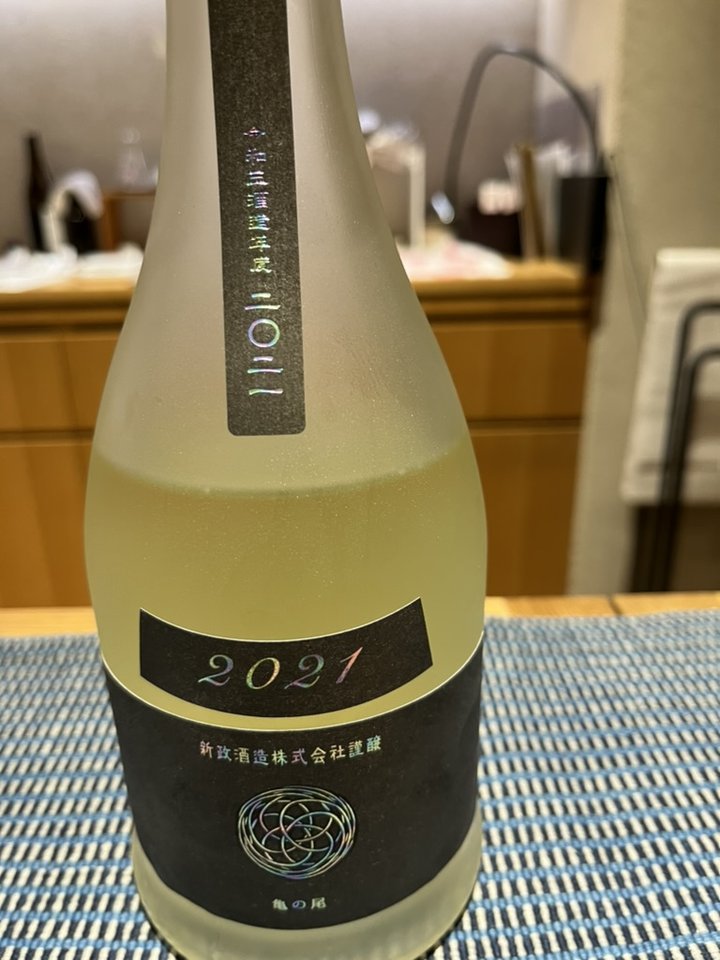
What it tastes like
The sum of all this is a sake that tastes like very little else. Kimoto and No. 6 together push acidity up and sweetness and alcohol down, so an Aramasa often lands closer to a tense, low-alcohol white wine than to the soft, fragrant sake most people expect: bright, layered, faintly tart, savory, and unmistakably alive. It is not always easy drinking, and it isn’t meant to be — it’s meant to be distinct. (For where a glass like this sits at the table, see sake at the counter.)
The lineup
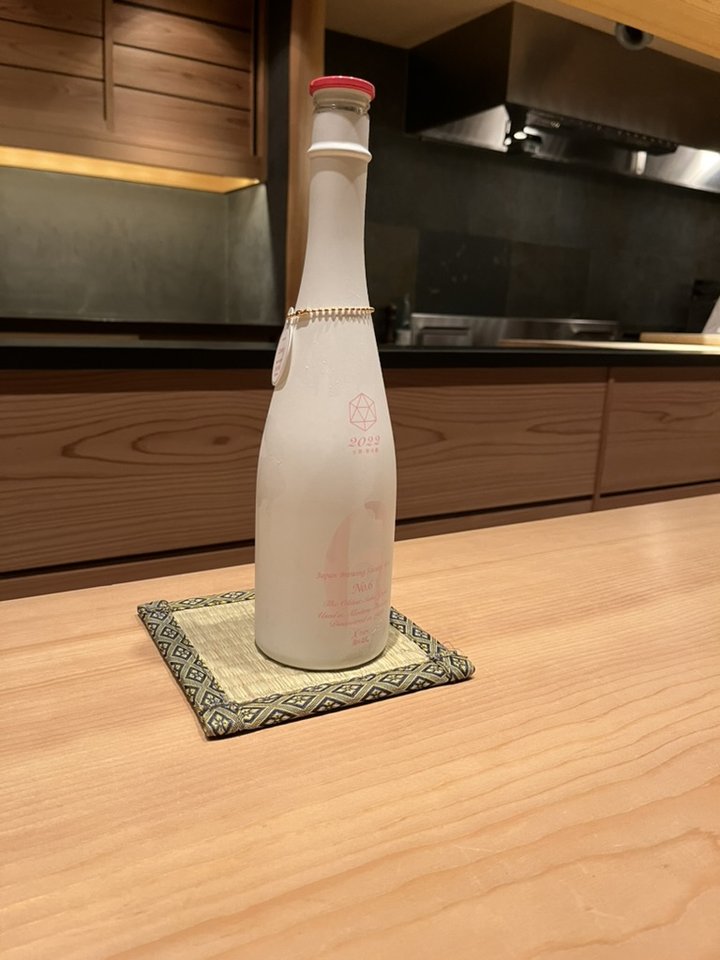
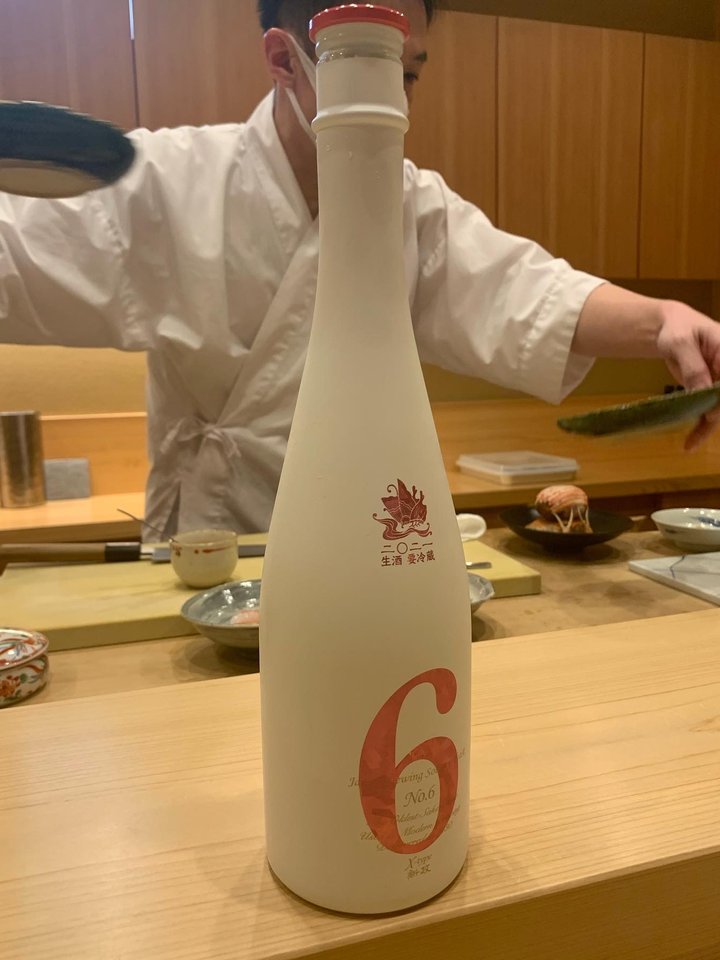
Aramasa’s range is built in tiers. No. 6 — named for the yeast — is the unpasteurized, lively core, sold in stark frosted bottles as R, S, and X “types” of rising refinement. Colors (カラーズ) is the terroir series, each release named for a color and built around a single rice variety. And Private Lab, sold mostly at the brewery itself, is where the experiments live — small wooden-vat lots that hint at what Aramasa will try next. The design is as considered as the liquid: minimal, modern labels that turned the bottles into objects of desire in their own right.
Why you can’t get it at sake retailors
All of which has made Aramasa genuinely hard to buy. Production is small and deliberately not scaled to demand; bottles are allocated to a tight net of retailers and restaurants, often by lottery, and resell well above their modest list prices.
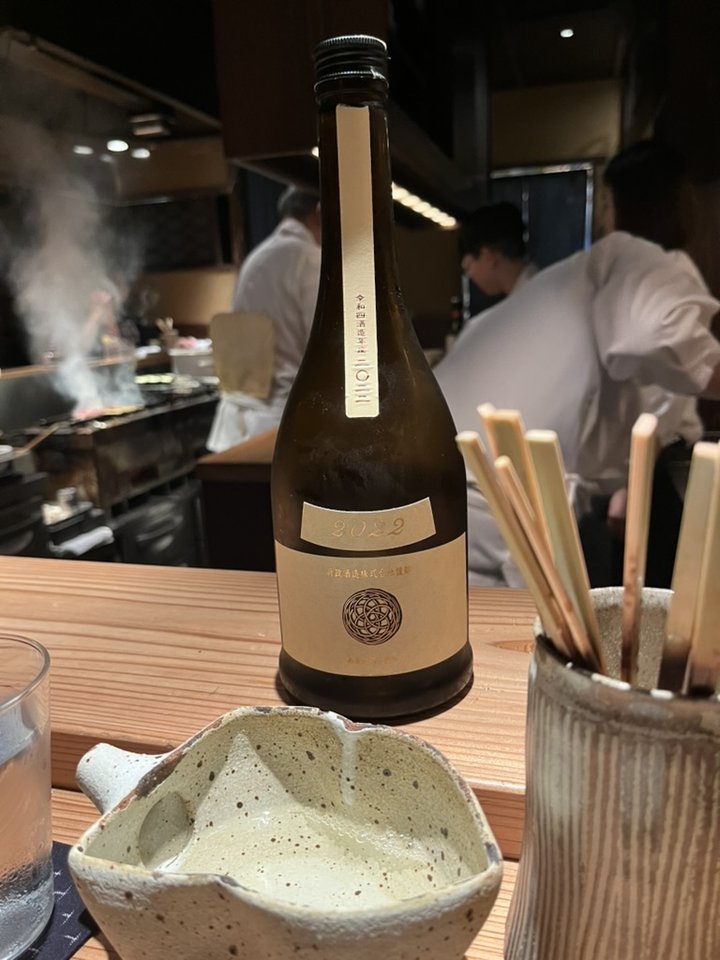
But the deeper influence runs past scarcity. By proving that a tiny brewery could go backward — older methods, stricter limits, more risk — and emerge with something the whole industry coveted, Aramasa handed a generation of young brewers a new template. The most special thing about it may be that it made “special” mean something again.
Where can you get access to Aramasa by cup
Most Japanese restaurants in Japan can offer you a cup (90ml) of Aramasa from 2000 JPY up to 20000 JPY (can be more expensive if the chef wants to rip you off). Sometimes you can get it with 500 JPY at special events. The sake shop Imadeya at B1 of Ginza Six department, will occassionally offer limited edition Aramasa at very reasonable price, make sure you check their instagram before you go.