Sake pairing at the counter: drinking with the meal, not against it
Wine can be a minefield at a Japanese counter: tannins clash with delicate fish, and acidity bulldozes subtle dashi. Sake is more forgiving. Brewed from rice rather than fruit, it’s low in acidity, free of tannins, and full of the same umami that runs through the food — so more often than not it sits alongside a dish rather than wrestling with it. That doesn’t make every pour equal, though. A little fluency goes a long way.
Know a few styles
You don’t need to memorize a textbook — just the rough spectrum from delicate to rich.
- Junmai — rice, water, koji, and yeast, nothing added; fuller and savory, the most food-friendly of all.
- Ginjo / daiginjo — highly polished rice, fragrant and delicate; lovely with light, clean dishes but easily buried by strong flavors.
- Nigori — cloudy and lightly sweet; a friend to spice and richer bites.
- Koshu — aged, amber, nutty; a match for grilled and fattier courses.
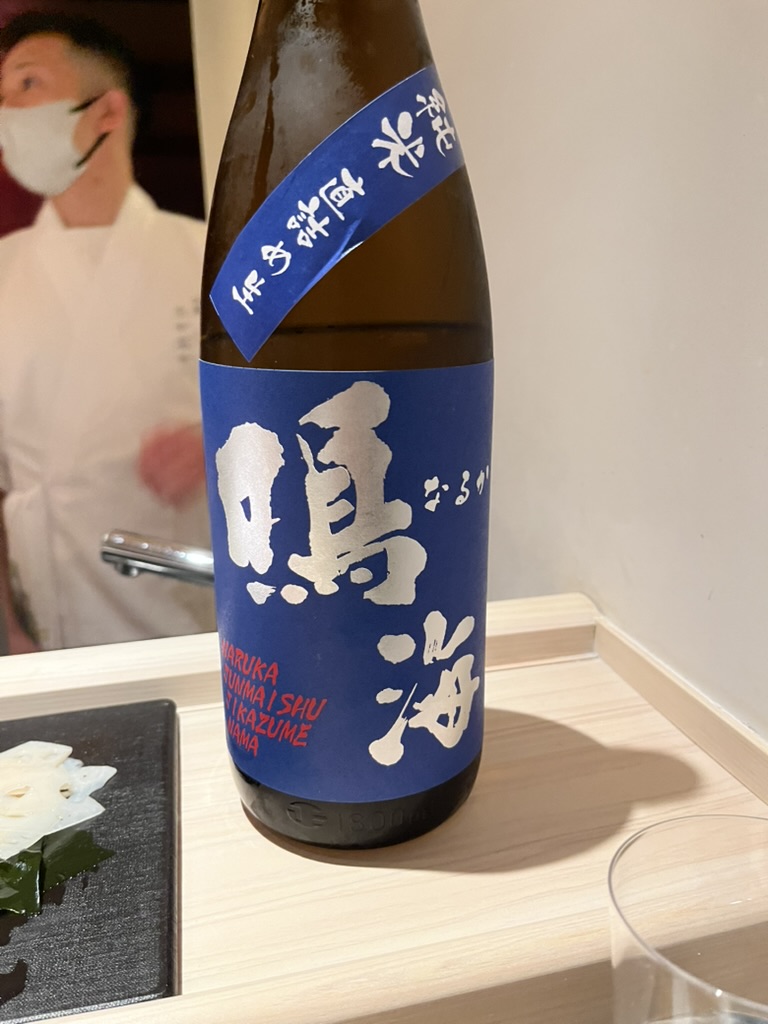
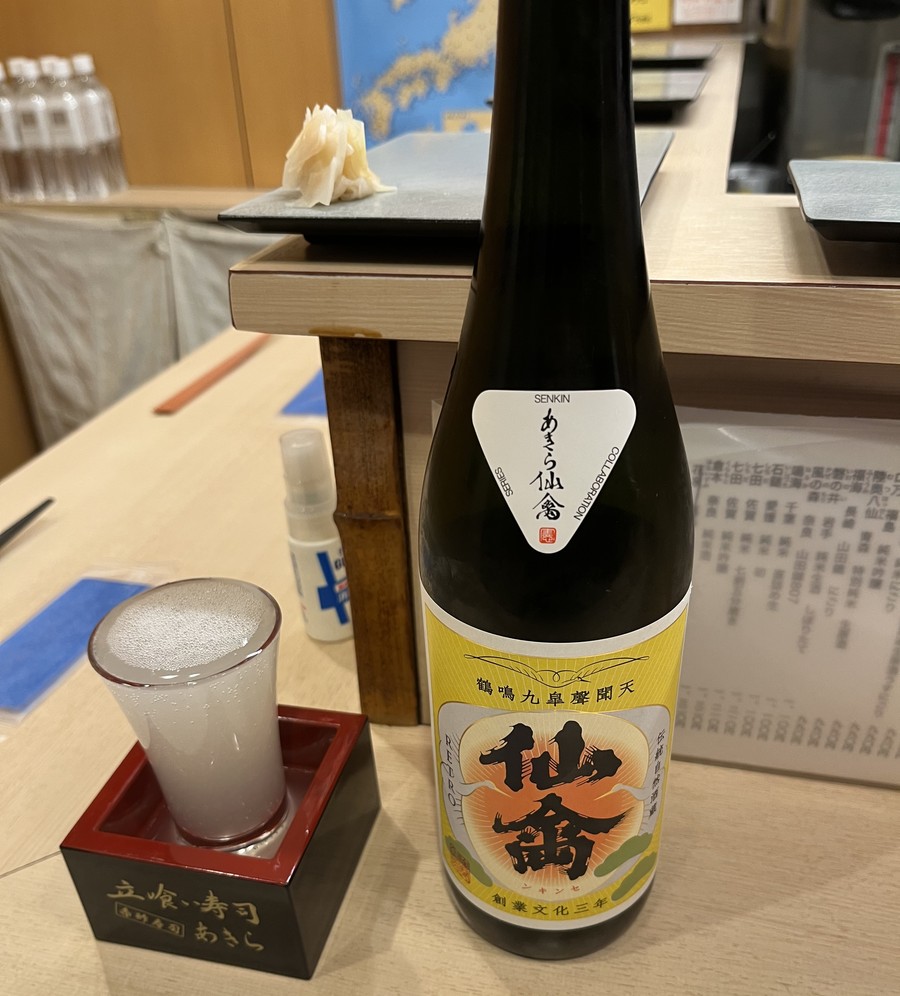
Temperature changes everything
The same bottle can taste like two different drinks warm and cold. A chill lifts the aromatics of a ginjo; gentle warming — kanzake — rounds out a junmai and brings its umami forward, flattering grilled and simmered dishes. If the chef suggests a sake served warm, trust it; they’re pairing for the course in front of you, not just the weather outside.
A couple of pairing instincts
- Match intensity. Light sake with light dishes, richer sake as the meal deepens.
- Umami loves umami. A savory junmai with sushi or a dashi-rich kappo course is hard to get wrong.
- Go local. A sake from the same region as the fish is a quiet, reliable bet.
Drink what you can’t take home
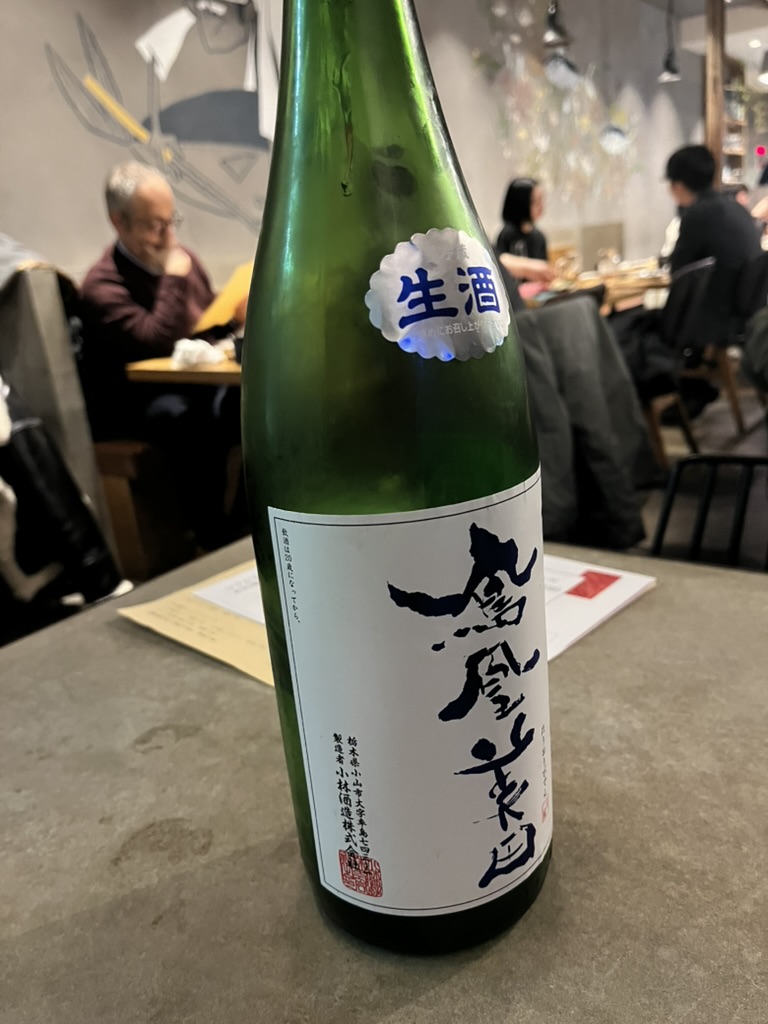
One of the best reasons to be adventurous at the counter is that much of the most exciting sake never really leaves Japan. Namazake (生酒) — unpasteurized, “live” sake — is fragile: it has to be kept cold and drunk young, so it rarely survives the trip home in good shape.
Sought-after small-batch releases tell the same story: they’re allocated to the restaurants and shops that can pour them fresh, often long before a bottle reaches a shelf overseas.
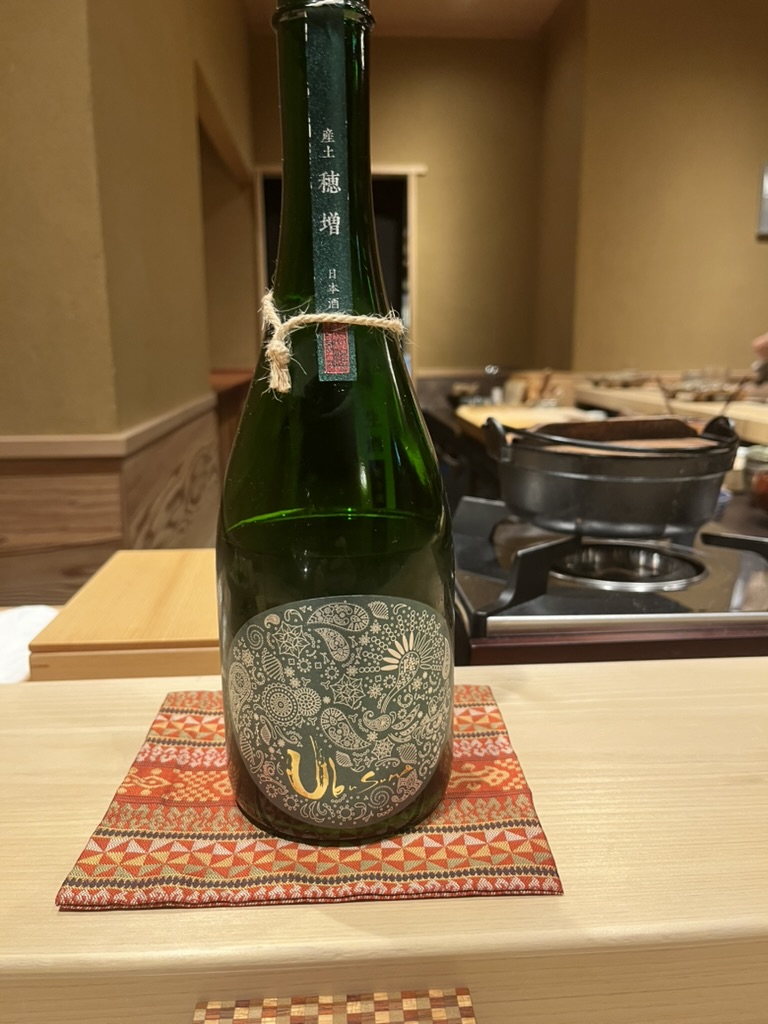
So when the chef offers something seasonal, unpasteurized, or simply hard to find, say yes. That pour is part of being here.
Counters worth seeking out
A handful of places treat the sake list with as much care as the food. Two to know:
- Sushi Sakai (鮨 さかい), Fukuoka — a three-Michelin-star counter where the pairings feel like part of the meal’s choreography, each pour chosen to follow the piece in front of you.
- Sushi Mitani (鮨 三谷), Tokyo — a revered Tokyo sushi-ya whose sake program rivals its rice, with staff glad to walk you cup by cup through the night.
At places like these, the pairing isn’t an add-on — it’s half the reason to sit down.
How to order
The simplest move is usually the best one: leave it to the chef. Ask for the osusume — their recommendation — or a pairing course, and let each pour follow the food, the same trust you already extend to the meal.
Often the chef will ask what you like first. You don’t need a long answer; a single word points them in the right direction:
- Kara-kuchi (辛口) — dry, crisp, and clean.
- Ama-kuchi (甘口) — softer, with a touch of sweetness.
- Fruity / aromatic — the fragrant ginjo style; just say “fruity” or “ginjo.”
- Light or rich — how full-bodied you’d like it, from delicate to deep.
Give them one of those, start light and dry if you’re unsure, and mention what you enjoyed as you go. Come with that much, and the sake stops being a decision to agonize over and becomes part of the night.