Seizan: a two-star Kaiseki built on its broths
Seizan (晴山) sits in a basement off a quiet Mita backstreet, a couple of minutes from Tamachi station. The room is calm and dignified rather than showy — a cypress counter, a few private rooms — and it has held two Michelin stars for more than a decade. This is traditional Japanese kaiseki: a long seasonal course built around the thing washoku is hardest to get right, the dashi.
The chef
Haruhiko Yamamoto trained at the Tsuji culinary school and apprenticed at Wakamiya Hassho in Gifu, where he was running the kitchen by twenty-five. He opened Seizan in Mita in 2011, and it earned two stars within about eighteen months — a standard it has kept ever since. The restaurant’s name carries the 晴 of his own given name, Haruhiko.
The food
A meal here is a classical kaiseki: a dozen or so courses that move with the season, each plate restrained and exact. Expect the canonical run — a sakizuke to open, sashimi (mukōzuke), grilled and simmered dishes, rice to finish, and a sweet to close.
The course turns on the owan, the lidded soup. Seizan’s reputation rests on its broths: clear, deeply savory dashi that taste like the distillation of the whole kitchen’s effort, the kind of bowl that justifies the room on its own. If you take one thing slowly here, take the soup.
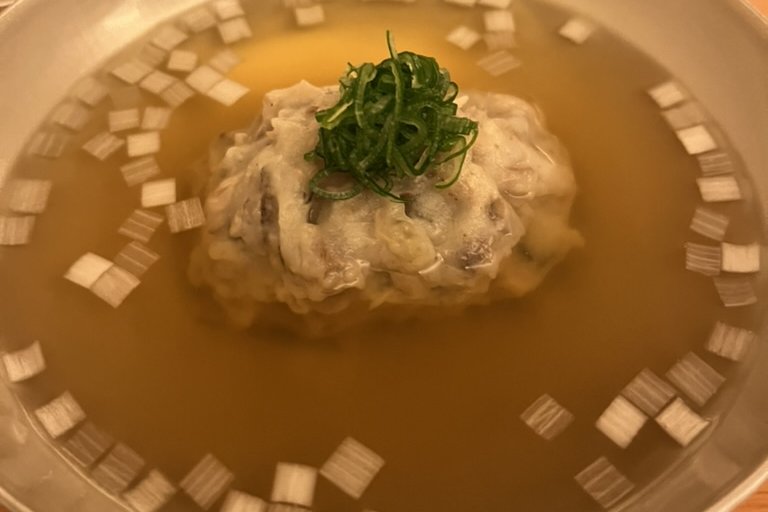
A few of the courses
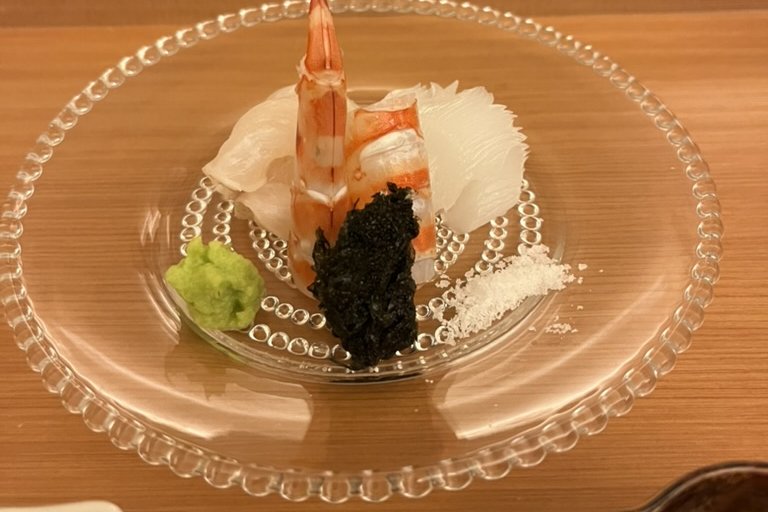
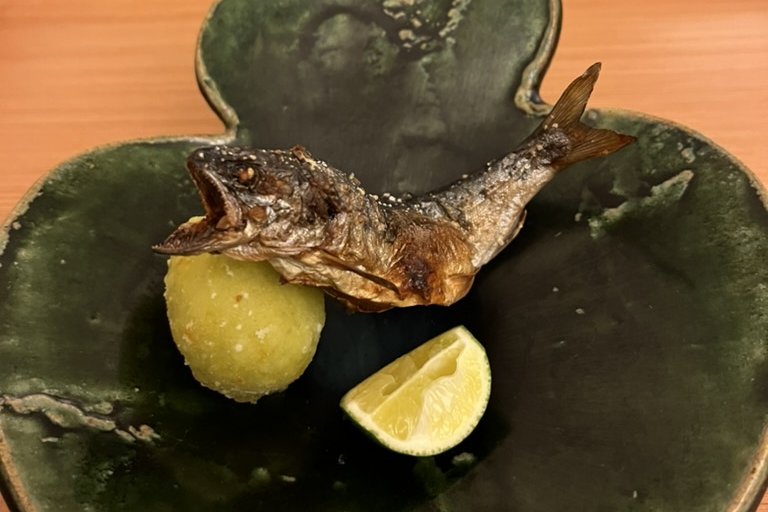
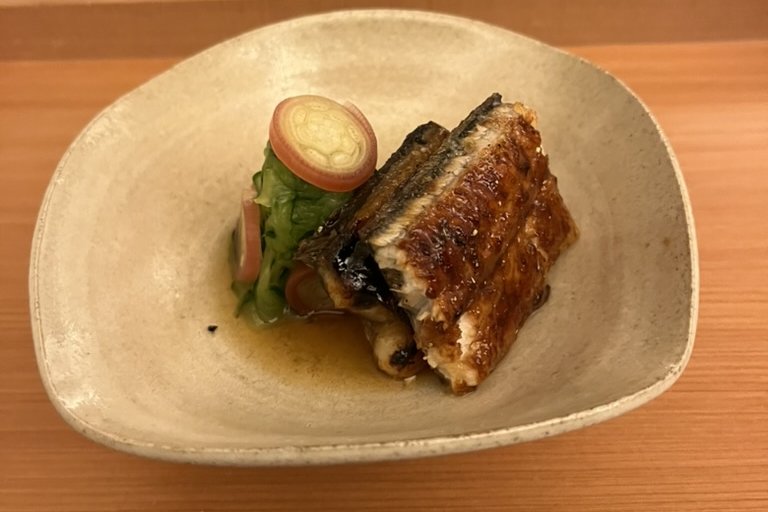
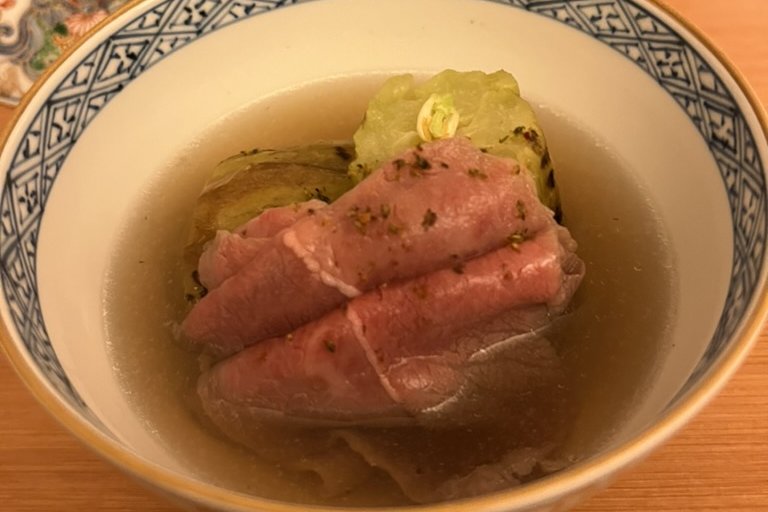
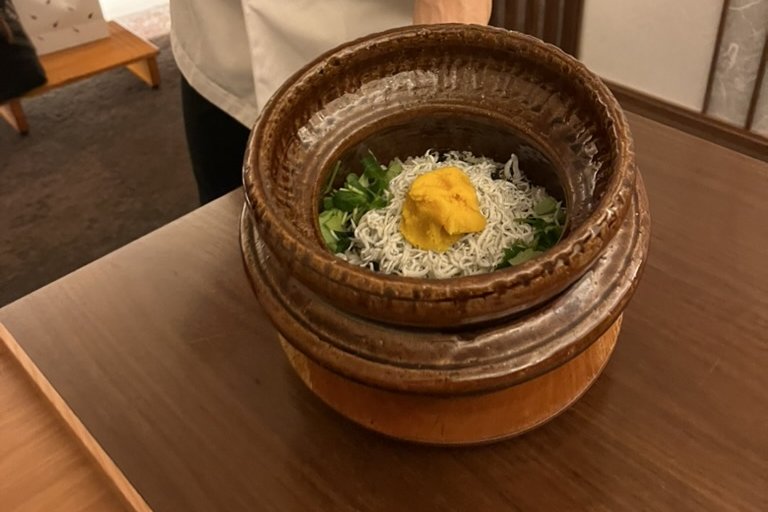
Worth the trip
The omakase course runs around ¥40,000 (closer to ¥50,000 with the sake pairing). For that you get one of Tokyo’s most assured traditional kitchens in a room that asks for your attention rather than your awe — a kaiseki that prizes precision and seasonality over spectacle. If you want to learn what great dashi actually tastes like, this is one of the best places in the city to do it.
Tips before visiting
Please ask a Japanese-speaking friendly to make the booking. Don’t expect them to release seats on omakase.in or pocket concierge though it is listed. If it’s your first visit, you will have to go with someone else and sit at table. Only regular customers are allowed to sit at counter. Winter is the best season to visit.