Three sushi-counter traps that inflate your bill
Most sushi counters in Japan are scrupulously fair — you’re in good hands at the overwhelming majority, and the opaque single-figure bill is usually genuine omotenashi, not a trick. But a handful of traps quietly inflate the bill, and they catch visitors hardest, because the same opacity that’s hospitality at a good shop is, at the wrong one, a cover for overcharging. Here are the three worth knowing — and how to step around each.
1. The priceless drink
The most common trap isn’t on the plate; it’s in the glass. You ask the chef to pick a sake, or you point at a bottle, and no one mentions a price — there’s no list, no menu, nothing written down. The bill arrives and a single flask has cost more than the food. Drinks are where a counter’s margin lives, legitimately — but with no prices shown, that margin has no ceiling.
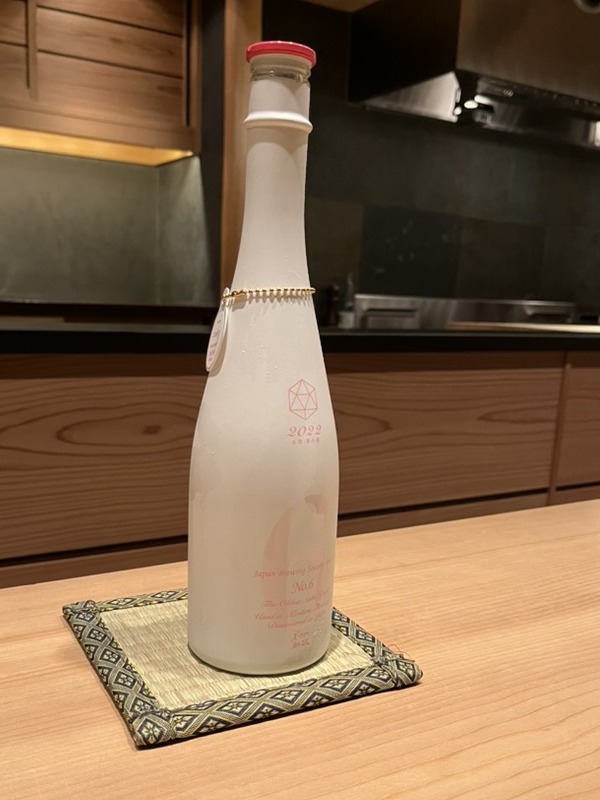
The fix is simple and not remotely rude: ask the price before you order. “Ikura desu ka?” — how much is it — is a perfectly normal question, and a fair shop answers it without blinking. Ask to see the list, name a rough budget, or just order the house sake or a beer. The trap only works on people too polite to ask.
2. The tsuika trap
When the set finishes, the chef will often ask, warmly, whether you’d like a few more pieces — tsuika (追加), extra à la carte nigiri. It feels like the meal generously continuing. It’s also where the total can quietly explode: those extra pieces are unpriced and charged à la carte, and a single one — a good piece of toro or uni — can run several thousand yen, far more than its share of the set you just ate.
This is no secret in the trade. Even friends of mine who work at sushi counters tell me, flatly, not to order tsuika blind. If you want more, the move is the same as with the drinks: ask the price first. “How much for another piece of toro?” Order the extras you actually want, knowing what they cost — or finish the set, say gochisōsama, and leave full and unsurprised.
3. The secret overcharge
The third is the ugliest, because it hides inside the one thing you’re told not to question: the bill. A vague single figure can quietly carry a foreigner’s markup — and it happens at places you’d recognise, not only tourist traps. I’ve written that the opaque bill is often real high-context hospitality, and it often is. But when “trust us” becomes “you won’t notice,” the high-context label is just a costume for bottakuri (ぼったくり) — a plain rip-off. Dressing an overcharge up as “Japanese culture” doesn’t make it culture.
The defence is quiet and effective: ask for an itemised receipt — and give a reason that makes it routine. Tell them you need to claim it back for work, so you need each item written out with its price — a meisai (明細), the line-by-line breakdown, not just a lump-sum ryōshūsho receipt. Framed as reimbursement, the request is completely normal and hard to refuse, and it does two things at once: it lets you actually see what you were charged, and it tells the house you’re paying attention. A fair counter itemises it without a flicker; a counter that suddenly can’t produce a breakdown has just answered your question.
A misuse of culture, not culture
Underneath all three traps sits the same machinery. Japan really is a high-context culture, and in it, asking the price of things can feel blunt, even a little rude — so over time, not asking hardened into an anmoku no ryōkai (暗黙の了解), an unspoken agreement between chef and guest that the bill is simply to be trusted. At an honest counter, that trust is the whole beauty of the place. At a dishonest one, it is precisely the thing to hide behind.
A second instinct seals it: a guest who suspects he’s been overcharged will almost never say so at the counter, in front of other diners — making a scene feels like the greater embarrassment, so the padded bill is quietly paid and never contested. That silence is exactly what the trap counts on. Which is why it’s worth saying plainly: this isn’t the culture — it’s a misuse of it. Genuine high-context trust runs both ways; turning a guest’s politeness into a lever to overcharge him is the opposite of the hospitality it pretends to be.
Most places are honest — a little literacy keeps it that way
None of this is a reason to distrust every counter. The great majority are honest, generous, and exactly what you came for, and a genuine high-context bill is a thing of real beauty. But the three traps above are real, they fall hardest on visitors, and the cure for all three is the same: a polite, unembarrassed question about price, asked before the bill, not after. Ask it, and you turn yourself from an easy target into a guest who plainly knows the score — the honest shops will like you more for it, and the rare bad one will think twice.